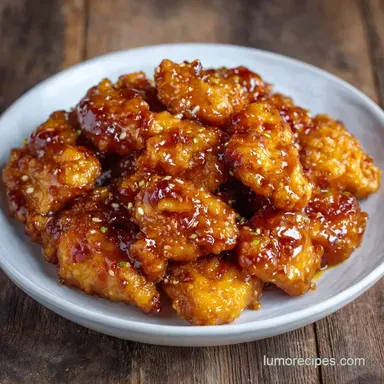
One Pan Honey Garlic Chicken: Sticky and Tender
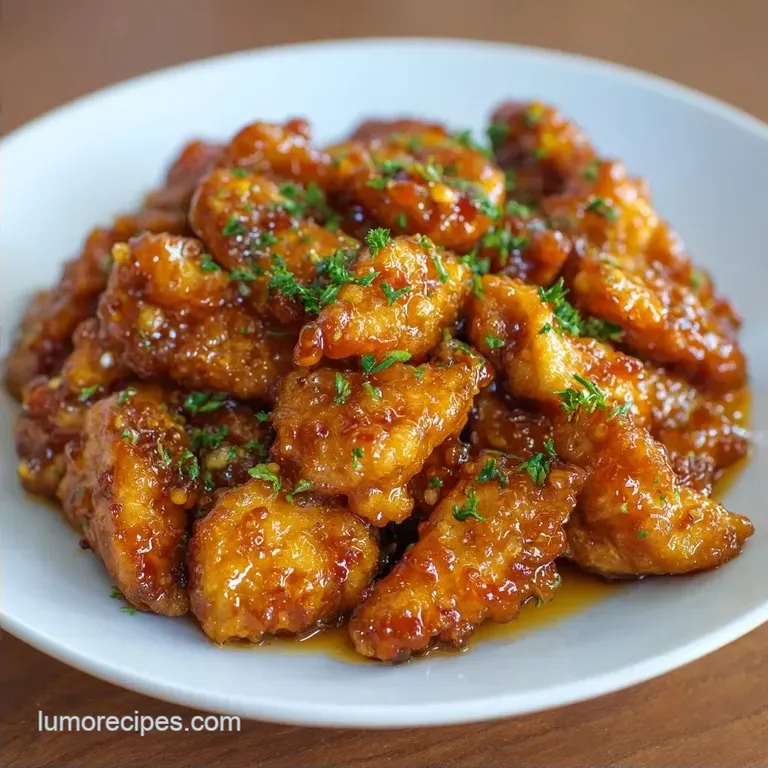
- Time: 10 min active + 20 min cook
- Flavor/Texture Hook: Velvety, sticky glaze with crisp tender broccoli
- Perfect for: Busy weeknight dinners and beginner cooks
One Pan Honey Garlic Chicken
That sound when the chicken hits the hot oil is everything. It's a loud, aggressive sizzle that tells you the crust is forming. Then comes the smell - that moment the honey hits the pan and starts to caramelize, turning from a sweet syrup into a rich, nutty aroma that fills the whole kitchen.
It's the kind of smell that makes everyone in the house suddenly remember they're hungry.
I remember the first time I tried to make a sticky chicken dish. I used a cheap pan and didn't sear the meat enough, so everything just boiled in the sauce. It was gray, soggy, and honestly, pretty depressing. I realized the secret isn't in the sauce itself, but in the order of operations.
You have to get that deep brown color on the chicken first, or you're just eating wet meat.
This version of One Pan Honey Garlic Chicken fixes all that. It's designed for those nights when you're exhausted but still want something that tastes like it took hours. We're using one skillet to handle the protein, the veg, and the sauce, meaning you won't be scrubbing pots for twenty minutes after you eat.
Why This Works
- Sugar Caramelization: The honey and soy sauce create a glaze that thickens as water evaporates, clinging to the chicken rather than pooling at the bottom.
- Steam Sauté Method: Adding a splash of water and a lid to the broccoli allows it to cook through quickly without burning the garlic left in the pan.
- Acid Balance: The apple cider vinegar cuts through the heavy sweetness of the honey, preventing the dish from tasting like candy.
- Maillard Reaction: High heat at the start browns the chicken proteins, which adds a savory depth that balances the sugar in the glaze.
| Fresh Ingredients | Shortcut Options | Impact | Savings |
|---|---|---|---|
| Fresh Garlic | Garlic Powder | Loses pungent bite | 2 mins prep |
| Fresh Broccoli | Frozen Florets | Softer texture | 5 mins prep |
| Honey | Maple Syrup | Woodier, less floral | $1-2 per jar |
Ingredient Deep Dive
| Ingredient | Science Role | Pro Secret |
|---|---|---|
| Honey | Thickener/Sweetener | Use a runny honey for faster mixing |
| Soy Sauce | Salt/Umami | Low sodium allows better salt control |
| Apple Cider Vinegar | pH Balancer | Adds a bright "zing" to the finish |
| Chicken Breast | Lean Protein | Cut into exactly 1 inch chunks for even cooking |
The chicken breast used here is incredibly lean, which is why it's so important to avoid overcooking. According to USDA FoodData, chicken breast is high in protein but low in fat, meaning it can dry out in seconds if you leave it in the pan too long. Keeping the chunks uniform in size ensures they all finish at the exact same time.
Essential Kitchen Gear
You don't need a professional kitchen for this, but the pan matters. I always reach for a 12 inch cast iron skillet. Cast iron holds heat way better than thin stainless steel, which is why you get that mahogany crust without the meat sticking.
If you don't have one, a heavy bottomed non stick pan works fine, though you might have to cook the chicken in two batches to avoid crowding.
Avoid using a wok for this specific recipe. While woks are great for stir fry, the sloping sides make it harder to keep the vegetables submerged in the glaze at the end. A flat bottomed skillet ensures every piece of broccoli gets coated in that velvety sauce.
You'll also need a sturdy whisk or a fork to get the honey and soy sauce completely blended.
Step-by-step Cooking
- Whisk the honey, soy sauce, minced garlic, vinegar, and red pepper flakes in a small bowl until smooth. Note: Do this first so you aren't rushing while the pan is hot.
- Season the chicken chunks evenly with salt and pepper. Note: Don't over salt since the soy sauce is already salty.
- Heat olive oil in a 12 inch cast iron skillet or heavy bottomed non stick pan over medium high heat.
- Add chicken in a single layer and cook undisturbed for 3-4 minutes until a mahogany colored crust forms; flip and cook for another 3 minutes.
- Remove chicken from the pan and set aside on a plate. Note: This prevents the chicken from becoming rubbery while the veg cooks.
- Toss broccoli and carrots into the same pan with a splash of water; cover with a lid and steam for 2 minutes. until broccoli is bright green.
- Remove the lid, return the chicken to the pan, and pour the glaze over the mixture.
- Stir constantly for 3-5 minutes until the sauce bubbles and thickens into a velvety coating that clings to the chicken.
Chef's Note: If the sauce is too thick, add a teaspoon of water. If it's too thin, keep stirring for another minute. The honey will naturally tighten up as it reaches a simmer.
Common Pitfalls Fixed
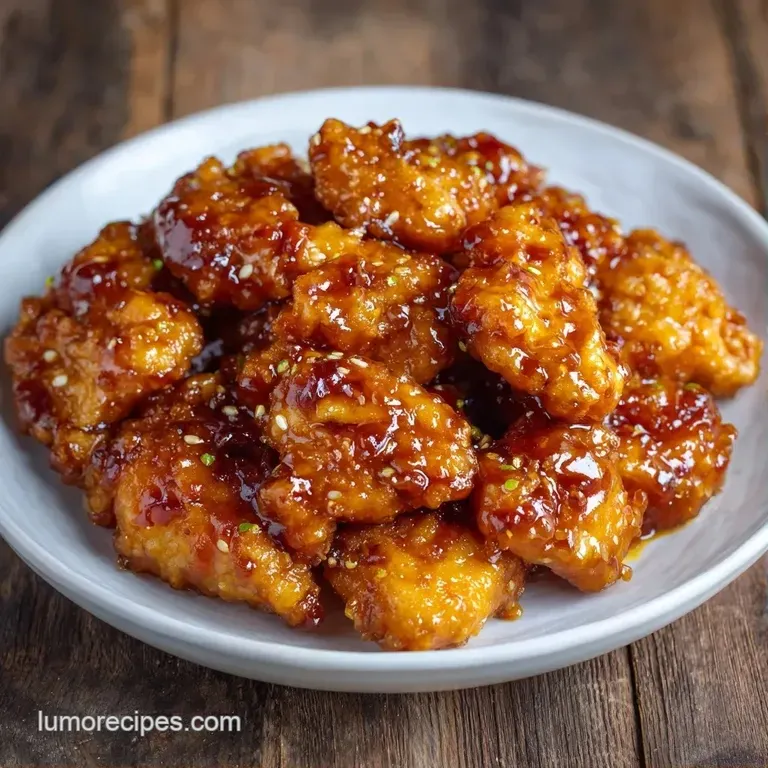
Troubleshooting Common Issues
| Issue | Solution |
|---|---|
| Why Your Sauce Is Too Thin | If your sauce looks like soup instead of a glaze, it usually means you didn't let it bubble enough. The honey needs to reach a specific temperature to reduce and thicken. |
| Why Your Chicken Is Dry | Chicken breast is unforgiving. If you leave it in the pan while steaming the vegetables, it'll turn into rubber. The key is the "remove and return" method. |
| Why Your Garlic Burnt | Garlic has a low burn point. If you put it in the oil at the very start with the chicken, it will turn black and bitter. |
Quick Success Checklist:
- ✓ Chicken patted dry with paper towels before seasoning
- ✓ Pan heated until oil almost smokes
- ✓ Chicken cooked in a single layer (no crowding)
- ✓ Glaze added only after vegetables are tender
- ✓ Sauce simmered until it coats the back of a spoon
Adjusting the Batch Size
When you're scaling this recipe down for one or two people, be careful with the pan size. If you use a 12 inch skillet for only half a pound of chicken, the sauce will evaporate almost instantly and might burn. Use an 8 inch skillet instead, and reduce the cooking time for the chicken by about 20%.
For those of you feeding a crowd and doubling the recipe, don't just double the meat in one pan. If you crowd the skillet, the chicken will steam instead of sear, and you'll lose that crust. Work in batches. Sear the chicken in two goes, set it all aside, then do the vegetables.
When you combine everything for the glaze, you can use a larger pot or a deep skillet to ensure there's enough room to stir without splashing.
Keep in mind that salt and spices don't always scale linearly. If you're tripling the recipe, only increase the salt and red pepper flakes by 2x or 2.5x. You can always add more at the end, but you can't take it out once it's in there.
Common Cooking Myths
"Searing seals in the juices." This is probably the biggest lie in home cooking. Searing doesn't create a waterproof seal. In reality, searing actually causes more moisture loss than poaching.
However, we do it anyway because the Maillard reaction creates a complex, savory flavor that you simply can't get any other way.
"You must use organic honey for the glaze to thicken." The brand or origin of the honey doesn't change the chemistry of the reduction. Whether it's clover, wildflower, or manuka, the sugar content is what drives the thickening process.
Just make sure it's real honey and not a "honey flavored" syrup, which has different water ratios.
Storage and Freshness
Store any leftovers in an airtight glass container in the fridge for up to 4 days. You'll notice the sauce thickens even more as it cools, which is normal. When you're ready to eat it again, don't microwave it on high for three minutes, or the chicken will turn into eraser nubs.
Instead, heat it in a pan over medium heat with a tablespoon of water to loosen the glaze.
If you want to freeze this, I'd recommend freezing the cooked chicken and vegetables together, but omit the glaze until you reheat it. Frozen honey soy sauces can sometimes separate or develop a strange metallic taste. Thaw overnight in the fridge, then toss with a fresh batch of glaze in the pan for a few minutes.
For zero waste, don't throw away the leftover glaze in the pan. If there's a bit of sticky residue left, deglaze the pan with a splash of water or white wine, pour it into a small jar, and use it as a marinade for tofu or salmon later in the week.
Best Side Pairings
This dish is quite bold, so you want sides that can either soak up the extra sauce or provide a fresh contrast. A simple bowl of steamed jasmine rice is the gold standard here. If you're looking for something more indulgent, this pairs surprisingly well with my Classic Creamy Scalloped Potatoes for a mix of sweet and savory.
If you're trying to keep things light, a crisp cucumber salad with rice vinegar and sesame seeds works wonders. The coolness of the cucumber cuts through the richness of the honey glaze. For another way to prep chicken that's just as fast, you might like my Brown Sugar Air Fryer Chicken, which uses a similar sweet profile but a different texture.
Finally, a side of sautéed spinach or bok choy adds a nice earthy note. Since you've already got broccoli and carrots in the pan, you can actually toss in a handful of spinach at the very last second.
The heat of the sauce will wilt the leaves in about 30 seconds, adding more greens to the plate without any extra pots to clean.
Recipe FAQs
How to make honey garlic chicken in a pan?
Sear chicken chunks in olive oil over medium high heat until a mahogany colored crust forms, then steam vegetables and toss everything in a honey soy glaze. Cook the chicken first and set it aside to prevent overcooking while the broccoli and carrots steam.
What ingredients are needed for this recipe?
You will need chicken breast, honey, soy sauce, garlic, apple cider vinegar, red pepper flakes, broccoli, carrots, olive oil, salt, pepper, and water. These ingredients create a balanced sweet and savory glaze with fresh vegetables.
Can I use chicken thighs instead of breast?
Yes, boneless skinless thighs work great. They are more forgiving than breasts and stay juicy; if you prefer other methods for this cut, see how we prepare boneless chicken thighs in the oven.
How to prevent the garlic from burning?
Whisk the garlic into the honey and soy sauce mixture before adding it to the pan. Adding garlic directly to hot oil at the start can cause it to burn and turn bitter quickly.
Why is my honey garlic sauce too thin?
The sauce likely didn't bubble long enough to reduce. The honey must reach a specific temperature to thicken into a velvety glaze that clings to the chicken.
How to reheat leftovers without drying out the chicken?
Heat the chicken in a pan over medium heat with a tablespoon of water. This loosens the glaze and prevents the meat from becoming rubbery, which often happens in the microwave.
Is it true that I should leave the chicken in the pan while steaming the vegetables?
No, this is a common misconception. Leaving the chicken breast in the pan during the steaming process will result in rubbery, overcooked meat; always remove the chicken and return it only when adding the glaze.
One Pan Honey Garlic Chicken