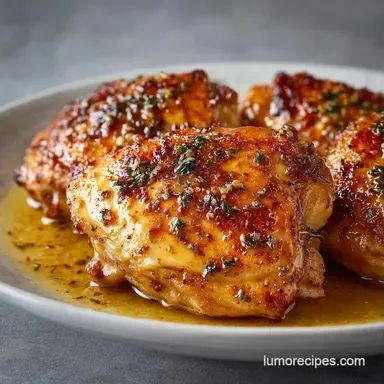
Baked Boneless Chicken Thighs: Juicy and Golden
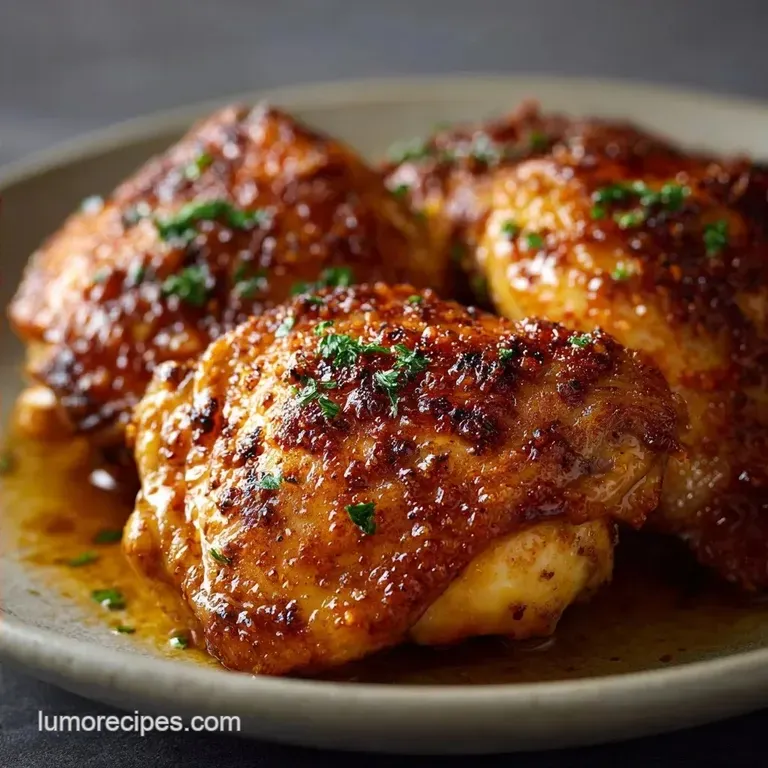
- Time: 5 min active + 25 min cooking
- Flavor/Texture Hook: Sticky honey glaze with edges that sizzle
- Perfect for: Busy weeknight dinners or budget-friendly meal prep
- The Appeal of Baked Boneless Chicken Thighs
- The Reason This Method Works
- Component Analysis
- Gathering Your Essentials
- Must Have Equipment
- The Cooking Process
- Fixing Common Cooking Mistakes
- Smart Swaps and Variations
- The Truth About Chicken Myths
- Freshness and Waste Tips
- Plating for the Table
- Recipe FAQs
- 📝 Recipe Card
Ever wonder why we spend so much time stressing over chicken breasts, only to have them come out like dry sponges? I used to be that person. I'd follow every rule in the book, but the second I overcooked them by two minutes, the meal was ruined.
Then I started using thighs, and it felt like a weight lifted off my shoulders.
The first time I tried this approach, it was a rainy Tuesday and I was exhausted. I just threw some thighs on a sheet pan, cranked the heat, and walked away. When I came back, the kitchen smelled like a smokehouse and the chicken was actually juicy.
It was the first time I realized that the extra fat in the thigh is basically a safety net for the home cook.
You can expect a meal that feels fancy but takes almost zero effort. We're using a few pantry staples to get a deep, savory crust, and then finishing it with a quick glaze that adds a bit of zing. These Baked Boneless Chicken Thighs are the ultimate "low stress, high reward" dinner.
The Appeal of Baked Boneless Chicken Thighs
Right then, let's talk about why this is the only way I cook chicken during the week. First, it's the budget. Boneless thighs are almost always cheaper than breasts, yet they have way more flavor. You don't need expensive cuts when you have the right seasoning.
But the real win is the texture. Thighs have a higher concentration of intramuscular fat, which means they can handle the high heat of a 425°F oven without drying out. You get that charred, sticky exterior and a center that stays velvety.
It's a relief not to have to hover over the oven with a meat thermometer every thirty seconds.
I've also found that this recipe is incredibly forgiving. If you leave them in for an extra three minutes, they're still great. If you're a beginner or just someone who hates doing dishes, this is your best friend. It's simple, fast, and actually works.
The Reason This Method Works
I'm not a scientist, but after a lot of trial and error, I've noticed a few things that make this specific approach work.
High Heat Searing: By using 425°F, we trigger a faster browning process on the outside. This creates a crust that locks in the moisture before the interior can overcook.
Surface Moisture: Patting the meat dry is a must. If the chicken is wet, it steams instead of roasting, and you'll never get those sizzled edges.
Fat Rendering: The heat melts the internal fat, which essentially bastes the meat from the inside out. This is why crispy roasted thighs always taste better than breasts.
Resting Period: Letting the meat sit for 5 minutes allows the juices to move back into the fibers. If you cut it immediately, all that goodness runs onto the plate.
| Method | Time | Texture | Best For |
|---|---|---|---|
| Stovetop | 15-20 mins | Hard sear, potentially uneven | Single portions |
| Oven | 25 mins | Consistent, golden, succulent | Families / Meal prep |
| Air Fryer | 15-18 mins | Very crispy, tighter skin | Quick lunches |
Component Analysis
Before we get into the list, let's look at why these specific ingredients are in the bowl.
| Ingredient | Science Role | Pro Secret |
|---|---|---|
| Smoked Paprika | Color & Depth | Gives a "grilled" look without a grill |
| Honey | Glaze Viscosity | Caramelizes quickly under the broiler |
| Dijon Mustard | Emulsifier/Acid | Cuts through the fat for balance |
| Olive Oil | Heat Conductor | Helps spices stick and browns the meat |
Gathering Your Essentials
Here is everything you need. I've kept this budget friendly, using spices you probably already have in the cupboard.
- 1.5 lbs boneless skinless chicken thighs Why this? Higher fat content prevents dryness
- 2 tbsp olive oil Why this? Neutral flavor and high smoke point
- 1 tsp salt Why this? Essential for flavor penetration
- 1/2 tsp black pepper Why this? Adds a subtle woody heat
- 1 tsp garlic powder Why this? More consistent coverage than fresh garlic
- 1 tsp smoked paprika Why this? Adds an earthy, charred aroma
- 1/2 tsp onion powder Why this? Rounds out the savory profile
- 2 tbsp honey Why this? Creates the sticky, golden finish
- 1 tbsp Dijon mustard Why this? Adds a sharp, sophisticated tang
- 1 tsp lemon juice Why this? Brightens the heavy flavors
Budget friendly Substitutes
| Original Ingredient | Substitute | Why It Works |
|---|---|---|
| Olive Oil | Vegetable Oil | Same function. Note: Slightly less flavor |
| Honey | Maple Syrup | Similar sugar content. Note: Adds a maple note |
| Dijon Mustard | Yellow Mustard | Same acidity. Note: Less complex flavor |
| Smoked Paprika | Regular Paprika | Same color. Note: Lacks the smoky depth |
Must Have Equipment
You don't need a fancy kitchen for this. Honestly, just a few basics will do.
- Rimmed Baking Sheet: The rim is key so the oil and juices don't leak into your oven.
- Parchment Paper: This saves you from scrubbing the pan for twenty minutes after dinner.
- Large Mixing Bowl: For tossing the chicken in the spice rub without making a mess.
- Tongs: To flip the chicken or move it to a platter.
- Meat Thermometer: The only way to be 100% sure it's done without overcooking.
The Cooking Process
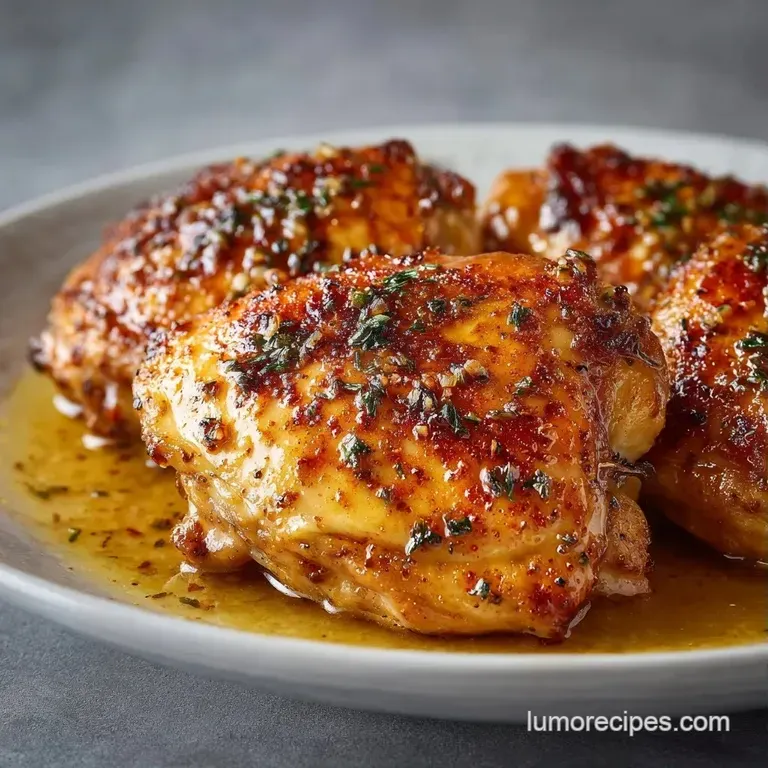
Let's crack on. Follow these steps for the best results.
- Preheat your oven to 425°F (218°C) and line your baking sheet with parchment paper. Note: Doing this first ensures the oven is actually hot when the meat goes in.
- Pat the chicken thighs completely dry with paper towels. Until no moisture remains on the surface. Note: This is the most important step for browning.
- Toss the thighs in a bowl with olive oil, salt, black pepper, garlic powder, smoked paprika, and onion powder. Until every inch is coated in red spices.
- Arrange the chicken in a single layer on the pan. Make sure there is at least an inch of space between each piece. Note: Crowding the pan leads to steaming, not roasting.
- Bake for 20-25 minutes. Until the internal temperature reaches 165°F (74°C).
- Turn the broiler to high and cook for 2 minutes. Until the edges sizzle and char slightly.
- Remove from the oven and let the chicken rest on the pan for 5 minutes. Note: This keeps the juices inside the meat.
- Whisk together the honey, Dijon mustard, and lemon juice. Brush this glaze over the chicken just before serving.
Chef's Note: If you're in a rush, you can skip the glaze, but that honey mustard hit really makes the dish feel complete. Also, try freezing your honey for 10 minutes if it's too runny to whisk easily.
Fixing Common Cooking Mistakes
Even with a simple recipe, things can go sideways. Here is how to handle it.
The Cause of Rubbery Meat
If your chicken feels rubbery, you likely crowded the pan. When the pieces touch, they release moisture that doesn't evaporate, effectively boiling the meat in its own juices. Always leave a gap.
The Reason for Pale Skin
Pale chicken usually happens because the oven wasn't preheated or the meat was too wet. If you see this happening, don't be afraid to use the broiler for an extra minute to force that golden color.
The Source of Dryness
While thighs are hardy, they can still dry out if cooked past 175°F. Use a thermometer to pull them at 165°F, as they will continue to rise in temperature while resting.
| Problem | Root Cause | Solution |
|---|---|---|
| Soggy bottom | Too much oil/crowded pan | Use a wire rack over the sheet pan |
| Glaze burns | Broiled too long | Brush glaze on AFTER broiling |
| Bland flavor | Under seasoning | Use a pinch more salt than you think |
Common Mistakes Checklist
- ✓ Pat chicken dry with paper towels.
- ✓ Use 425°F, not a lower temp.
- ✓ Space pieces 1 inch apart.
- ✓ Rest the meat for 5 mins.
- ✓ Check internal temp with a probe.
Smart Swaps and Variations
This recipe is a great base. Once you have the hang of it, you can change the vibe entirely.
For a full meal, you can try a sheet pan version by adding chopped carrots and broccoli to the pan. Just make sure the veggies are cut into sizes that cook in 25 minutes.
If you want a different flavor profile, swap the paprika and honey for soy sauce and ginger. This gives you a sticky Asian style chicken using the same over high heat method. For those who prefer a slower, more traditional feel, you can check out my crispy roasted thighs for a bone in alternative.
Scaling the Recipe
- Cutting it in half: Use a smaller baking sheet. Reduce the cook time by about 5 minutes, but always rely on the internal temperature.
- Doubling the batch: Do not double the salt and spices exactly use about 1.5x. This prevents the flavor from becoming too intense. Work in batches if you don't have two large pans, as overcrowding will ruin the texture.
- Oven Adjustment: If cooking two pans at once, lower the temp to 400°F and extend the time by 5-10 minutes to ensure even airflow.
The Truth About Chicken Myths
There are a few things people say in kitchens that just aren't true.
The "Seal In" Myth: Many people think searing meat "seals in the juices." It doesn't. Moisture loss happens regardless of how you start. The sear is actually about flavor it's the browning of proteins that makes the meat taste savory.
The "Room Temp" Myth: You'll hear that you must let chicken sit out for 30 minutes before cooking. For boneless thighs, this isn't necessary. The high oven temperature compensates for the chill, and keeping the meat cold is safer for food handling.
Freshness and Waste Tips
Storage Guidelines Keep leftovers in an airtight container in the fridge for up to 4 days. To reheat, avoid the microwave if you can. Instead, pop them in a toaster oven or air fryer for 5 minutes at 350°F to bring back that sizzle.
Freezer Instructions You can freeze these cooked thighs for up to 3 months. Let them cool completely before freezing. When you're ready to eat, thaw them in the fridge overnight and reheat in the oven.
Zero Waste Tips Don't toss the juices on the parchment paper! Pour those drippings into a small pan with a splash of water or white wine, simmer it down, and you have a quick pan sauce. Also, use the leftover lemon zest from the juice in a salad or over some pasta to avoid wasting the fruit.
Plating for the Table
Since this is a budget friendly dish, you can make it look like a restaurant meal with a few easy tricks.
Start with a wide, shallow bowl or a flat platter. Place the chicken in the center, slightly overlapping. The golden brown color of the meat looks stunning against a bright green backdrop, so I recommend serving these over a bed of sautéed spinach or steamed snap peas.
Drizzle any extra honey mustard glaze over the top and finish with a sprinkle of fresh parsley or sliced green onions. The contrast between the sticky, charred meat and the fresh, raw greens makes the plate feel balanced.
If you're serving this for a family, just put the platter in the middle of the table the aroma alone will bring everyone running.
Recipe FAQs
Is it better to bake boneless, skinless chicken thighs at 350 or 400?
Neither; 425°F is the ideal temperature. This high heat ensures the outside browns and edges sizzle while keeping the interior juicy.
How long does it take to bake chicken thighs that are boneless?
Bake for 20 25 minutes. Use a meat thermometer to ensure they reach an internal temperature of 165°F before removing them from the oven.
What's the best way to cook boneless chicken thighs?
Roast them at 425°F on a rimmed baking sheet. This method prevents overcrowding and allows the heat to circulate, creating a savory crust.
Are chicken thighs good for diabetics?
Yes, they are a nutrient dense protein. Simply omit or reduce the honey in the optional glaze to better manage sugar intake.
How to bake chicken thighs in the oven?
Preheat the oven to 425°F and line a pan with parchment paper. Toss the thighs in olive oil and seasonings, then bake for 20 25 minutes.
What is the best way to cook skinless chicken thighs?
Use high heat to mimic the sear of skin-on meat. Patting the chicken completely dry before seasoning prevents steaming and ensures a golden finish.
What are some great chicken thigh recipes?
Try adding a garlic butter baste for a richer flavor profile. If you liked the simplicity of this roast, you will love our garlic butter thighs.
Baked Boneless Chicken Thighs