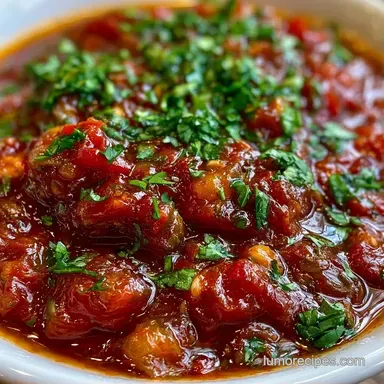
Authentic Mexican Salsa Roja: Smoky Depth
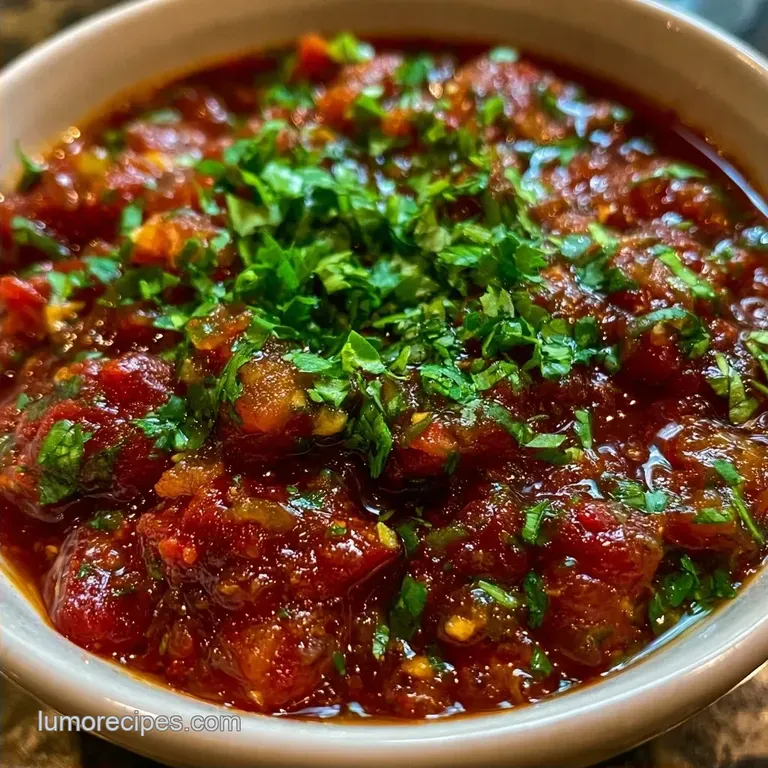
- Time: 20 min prep + 10 min roasting
- Flavor/Texture Hook: Smoky, charred, and chunky
- Perfect for: Taco nights, chip platters, or meal prep
The smell of charred tomato skins and toasted garlic hitting the air is the first sign that things are going right. For many, this scent is the backdrop of family gatherings and street food markets. It's a staple that bridges the gap between a simple condiment and a central part of the meal.
I remember the first time I tried making this without roasting the vegetables. It tasted fine, but it lacked that deep, earthy soul. The magic happens when the sugars in the onion and tomato caramelize under intense heat, shifting the flavor from bright and acidic to something much more complex.
You can expect a bold, zesty result that doesn't hide behind sugar. This Mexican Salsa Roja relies on the natural sweetness of roasted Roma tomatoes and the sharp kick of jalapeños. It's a budget friendly win that uses basic produce to create a high impact flavor.
Mexican Salsa Roja
This recipe focuses on the balance of heat and acidity. By roasting the ingredients together, the garlic softens and the peppers mellow out, allowing the tomato base to shine. It's a straightforward process that avoids the need for expensive equipment or rare ingredients.
The texture is key here. We aren't looking for a smooth puree that looks like canned sauce. We want those small, rustic chunks that catch the chip and hold onto the lime juice. It's about maintaining the integrity of the vegetables while blending them into a cohesive sauce.
Right then, let's look at why this specific method beats the raw version.
Why the Char Matters
- over High heat Roasting: The broiler chars the skins in under 10 minutes, adding a smoky dimension without needing a grill.
- Pulsed Blending: Using short bursts prevents the sauce from aerating and becoming foamy, keeping it thick and chunky.
- Acid Balance: Adding lime juice at the end cuts through the roasted richness and wakes up the salt.
| Feature | Roasted Method | Raw Shortcut | Best For |
|---|---|---|---|
| Flavor | Smoky and deep | Bright and sharp | Roasted: Tacos / Raw: Fresh chips |
| Texture | Thicker, integrated | Watery, crisp | Roasted: Braising / Raw: Topping |
| Prep Time | 30 minutes | 15 minutes | Raw: Last minute guests |
Ingredient Roles Explained
Getting the right produce is half the battle. Roma tomatoes are the standard because they have more flesh and less water than beefsteak varieties, which keeps the salsa from becoming a soup.
| Ingredient | What It Does | Best Swap |
|---|---|---|
| Roma Tomatoes | Provides the base and body | Canned fire roasted (drain well) |
| White Onion | Adds sharp, savory sweetness | Yellow onion (slightly sweeter) |
| Jalapeños | Supplies the heat and green notes | Serrano peppers (for more heat) |
| Lime Juice | Brightens the charred flavors | Lemon juice (less authentic) |
Kitchen Tools Needed
You don't need a professional setup for this. A standard baking sheet and a blender or food processor do the heavy lifting. If you have a mortar and pestle, you can use it for the final integration, but a blender is faster for a busy weeknight.
The broiler is the real star here. Make sure your oven rack is positioned close to the heat element. This ensures the vegetables blister and blacken quickly rather than just steaming in their own juices.
Step-by-step Cooking
The process is fast, but you have to stay close to the oven. Broilers can go from "perfectly charred" to "burnt charcoal" in about 60 seconds.
- Preheat your broiler to high. Toss the halved tomatoes, onion wedges, jalapeños, and garlic cloves in vegetable oil on the baking sheet.
- Place the tray under the broiler for 5-7 minutes until the tomato skins blister and turn mahogany black in spots and the onions become translucent with charred edges.
- Transfer the roasted vegetables and any juices from the pan into the blender. Note: Don't leave the pan juices behind; that's where the concentrated flavor lives.
- Add the salt and lime juice.
- Pulse the blender in short bursts until the mixture is integrated but still retains small, visible chunks of tomato.
- Add the fresh chopped cilantro.
- Pulse 2-3 more times just to incorporate the greens. Note: Over blending the cilantro can turn the salsa a muddy brown color.
- Taste the mixture.
- Add an extra pinch of salt or a drop more lime if needed for balance.
- Stir in 2 tbsp of water if the consistency is too thick for your liking.
Fixing Texture and Heat
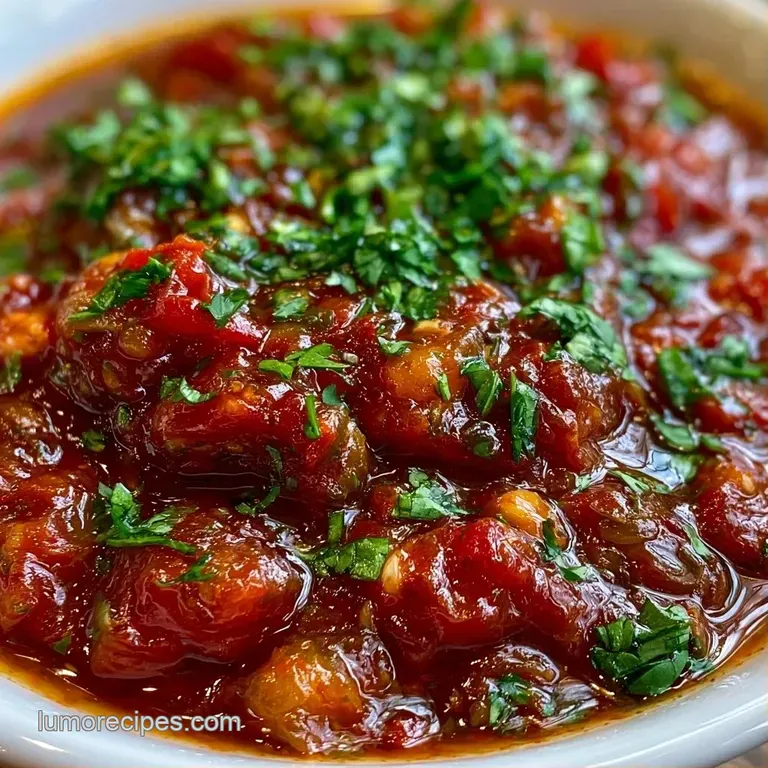
Sometimes the produce doesn't cooperate. One jalapeño might be mild while the next one is like a firecracker. This is the nature of fresh ingredients, but it's easy to adjust once you're at the blender stage.
The Salsa is Too Spicy
If you've overshot the heat, don't panic. Acidity and fat help neutralize the capsaicin. You can add an extra squeeze of lime or stir in a teaspoon of honey to mellow it out. According to USDA FoodData, the heat in peppers varies wildly based on soil and water, so always taste a small piece of the pepper before roasting.
The Texture is Too Watery
This usually happens if the tomatoes were overly ripe or if you blended for too long. To fix this, you can simmer the salsa in a small pot over medium heat for 10 minutes to reduce the liquid. Alternatively, adding a small amount of finely diced raw onion can add body.
The Garlic Tastes Bitter
Bitter garlic happens when the cloves burn completely through to the center. If this happens, remove the most blackened bits of garlic before blending. Next time, try tucking the garlic cloves under a piece of onion to shield them from the direct flame.
| Problem | Root Cause | Solution |
|---|---|---|
| Too thin | Too much tomato juice | Simmer to reduce or blend less |
| Bland taste | Lack of salt or acid | Add 1/4 tsp salt and 1 tsp lime |
| Bitter flavor | Burnt garlic cloves | Remove charred skins; add pinch of sugar |
Smart Swaps and Twists
Since this is a budget friendly base, you can change the profile without spending more. If you have a few extra minutes, you can roast a halved bell pepper along with the jalapeños to add a sweeter, milder tone to the Mexican Salsa Roja.
For those who want a different vibe, try swapping the lime for a splash of apple cider vinegar. It gives the sauce a tangier, almost pickled quality that works well on grilled meats. If you're planning a larger party spread, this pairs great with a Taco Rotel Dip for a variety of textures.
2 Flavor Twists
- Smoky Depth: Stir in a pinch of ground cumin or smoked paprika after blending.
- Creamy Finish: Blend in a tablespoon of Greek yogurt or sour cream for a "creamy roja" style.
2 Diet Swaps
- Oil Free: Skip the vegetable oil and use a splash of water or lime juice to prevent sticking.
- Low Sodium: Replace kosher salt with a pinch of garlic powder and extra lime juice to maintain the "pop."
Scaling the Batch
Making a double or triple batch is a smart move since this keeps well. When doubling, don't just double the salt. Start with 1.5x the salt and taste as you go, as salt can become overwhelming in larger volumes.
For the roasting phase, work in batches if your baking sheet is small. Crowding the pan causes the vegetables to steam instead of char, which means you'll lose that smoky flavor. If you have a large commercial sheet, you're good to go.
If you're scaling down to a half batch, be careful with the garlic. Use 2 large cloves instead of 3 to ensure the garlic doesn't overpower the smaller amount of tomato.
Debunking Salsa Myths
Some people think you have to peel the tomatoes after roasting to get a "professional" result. In reality, the skins add texture and fiber, and when blended, they disappear into the sauce. Peeling them just wastes time and removes flavor.
Another common belief is that you should boil the vegetables first. Boiling washes away the nutrients and flavor. over High heat roasting, as suggested by techniques on Serious Eats, preserves the intensity of the produce while adding the necessary char.
Storage and Scraps
Store your Mexican Salsa Roja in a glass jar in the fridge for up to 5 days. Because of the lime juice and salt, it stays fresh quite well. Shake it before using, as some liquid may separate over time.
This salsa doesn't freeze well because the fresh cilantro and lime lose their punch in the freezer, and the tomatoes can become mealy. It's better to make a fresh batch or store it in the fridge.
To avoid waste, take any leftover onion ends or tomato stems and toss them into a freezer bag for homemade vegetable stock. If you have a bit of salsa left that's nearing its expiration date, stir it into a pot of black beans or use it as a marinade for chicken.
Serving Suggestions
This is the ultimate versatile condiment. While it's a natural fit for tortilla chips, it's also a great topping for eggs or grilled fish. For a hearty meal, try using it as a topping for Thighs in 25 Minutes recipe to add a bright, smoky contrast to the rich meat.
If you're serving it at a party, put the salsa in a bowl and drizzle a little bit of olive oil on top with a sprinkle of fresh cilantro. It makes the dish look polished without any extra effort.
Ultimately, the beauty of this Mexican Salsa Roja is its simplicity. It doesn't need fancy tricks, just a hot broiler and a few fresh vegetables. Once you taste the difference that roasting makes, you'll probably never go back to the raw version.
Recipe FAQs
Can I use fresh chilies instead of dried ones?
Yes, this recipe specifically calls for fresh jalapeños. Fresh chilies provide a brighter, more zesty heat compared to the smoky profile of dried peppers.
How can I adjust the heat level of my salsa roja?
Increase or decrease the number of jalapeños. Remove the seeds and membranes for a milder taste, or add an extra pepper to boost the spice.
Is it necessary to simmer the salsa after blending?
No, it is not necessary. Because the vegetables are broiled for 5-7 minutes until charred, they already possess a deep, roasted flavor.
Can I make this recipe ahead of time?
Yes, you can. Store the salsa in a glass jar in the refrigerator for up to 5 days; just shake it before serving to reintegrate any separated liquids.
How to make salsa in a food processor?
Pulse the roasted vegetables in short bursts. This prevents over processing and ensures the salsa retains visible chunks of tomato instead of becoming a smooth puree.
Is it true that homemade salsa is too time consuming for a quick meal?
No, this is a common misconception. The active cooking time is only 5-7 minutes under the broiler, making it faster than many store-bought alternatives.
How to make a thin salsa?
Add water one tablespoon at a time. Pulse the blender after each addition until the consistency reaches your desired thinness.
Mexican Salsa Roja Recipe