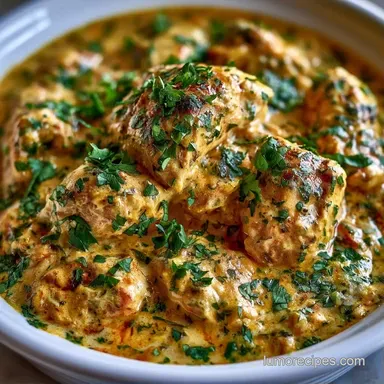
Creamy Coconut Milk Chicken Curry
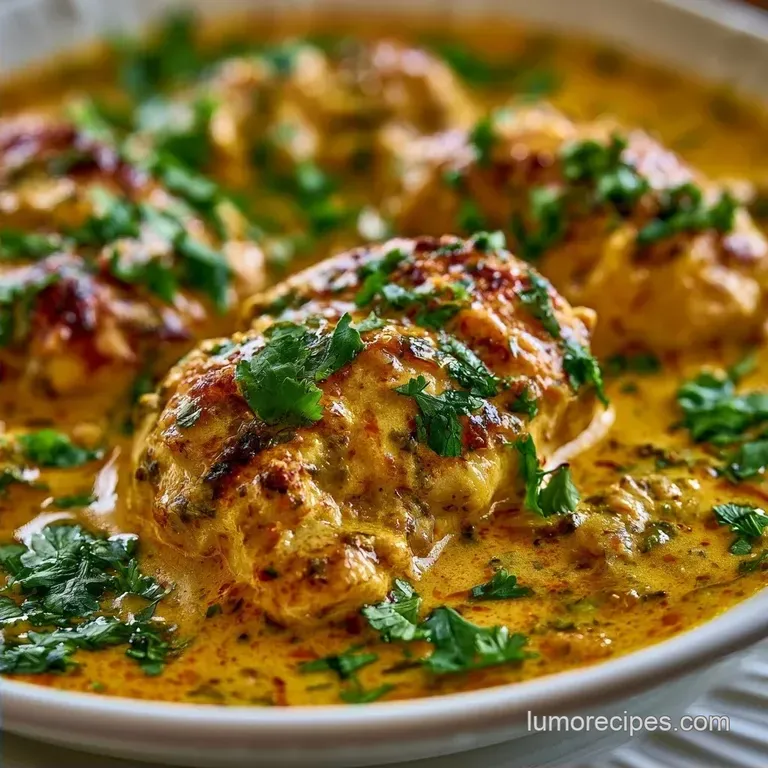
- Time: 15 min active + 15 min cooking
- Flavor/Texture Hook: Creamy, zesty, and rich
- Perfect for: Busy weeknight dinners or meal prep
The smell of ginger and garlic hitting hot oil is probably my favorite scent in the world. It immediately tells me that dinner is actually happening. I remember a Tuesday a few years back when I had exactly thirty minutes before the kids' activities started, and I was staring at a pack of chicken breasts with zero plan.
I didn't want to order takeout again, so I threw together a Coconut Milk Chicken Curry using whatever was in the pantry. I realized that if you sear the meat quickly and bloom the spices in oil first, you don't need hours of simmering to get that deep, concentrated taste.
This version is all about efficiency. You'll get a sauce that's rich and glossy, with chicken that stays tender. It's the kind of meal that feels like you put in way more effort than you actually did.
Fast Coconut Milk Chicken Curry
The trick here is the order of operations. Most people just throw everything in a pot, but that leaves the spices tasting raw and the chicken looking grey. By searing the meat and toasting the curry powder first, we create a base of flavor that carries through the whole dish.
If you have more time on a weekend, you might try Curry Braised Chicken Thighs for a different texture, but for a Tuesday night, this speed is what matters.
Why This Recipe Works
Blooming Spices: Heating the curry powder and turmeric in oil releases fat soluble flavors that wouldn't activate in water alone.
Searing Protein: Browning the chicken breast in a single layer creates a savory crust that thickens the sauce.
| Method | Time | Texture | Best For |
|---|---|---|---|
| Quick Sear | 30 min | Smooth/Creamy | Weeknights |
| Slow Simmer | 2+ hrs | Thick/Concentrated | Sunday Dinner |
Ingredient Deep Dive
I like to think of the ingredients in this Coconut Milk Chicken Curry as a balancing act. You have the heavy fat from the coconut, the heat from the spices, and the sharp hit of lime to cut through it all.
| Ingredient | What It Does | Best Swap |
|---|---|---|
| Coconut Milk | Adds creaminess and body | Heavy cream (adds richness, loses coconut flavor) |
| Tomato Paste | Adds umami and color | Tomato puree (thinner, needs more simmer time) |
| Maple Syrup | Balances the spice | Honey (similar sweetness, floral notes) |
| Chicken Bone Broth | Deepens the savory base | Vegetable broth (lighter flavor, works well) |
The Pantry List
Here is everything you need for this Coconut Milk Chicken Curry. I've kept the ingredients accessible so you don't have to make three different trips to the store.
- 1 tbsp avocado oil Why this? High smoke point for searing.
- 1 medium yellow onion, finely diced
- 3 cloves garlic, minced
- 1 tbsp fresh ginger, grated
- 2 tbsp mild curry powder Why this? Provides the main flavor profile.
- 1 tsp ground turmeric
- 1 tbsp tomato paste
- 1/2 tsp sea salt
- 1/4 tsp cracked black pepper
- 1 lb boneless, skinless chicken breast, cut into 1 inch cubes
- 1 can (13.5 oz) full fat coconut milk, unsweetened Why this? Full fat prevents the sauce from splitting.
- 1/2 cup low sodium chicken bone broth
- 1 tbsp fresh lime juice
- 1/4 cup fresh cilantro, chopped
- 1 tsp maple syrup
Step by step Cooking
Right then, let's get into it. Make sure your chicken is cubed evenly so it all cooks at the same rate.
- Heat the oil over medium heat. Add the diced onion and cook for 3–4 minutes until translucent.
- Stir in the minced garlic and grated ginger, cooking for another 60 seconds. Note: Don't let the garlic brown too quickly or it gets bitter.
- Add the curry powder, turmeric, salt, and pepper. Stir constantly for 1 minute to bloom the spices.
- Stir in the tomato paste and cook for an additional 2 minutes until the paste darkens to a deep brick red.
- Increase heat to medium high. Add the cubed chicken breast in a single layer.
- Sear for 3–5 minutes, stirring occasionally, until the chicken is golden brown on the outside.
- Pour in the coconut milk and chicken bone broth. Stir well, scraping up any brown bits (fond) from the bottom of the pan.
- Lower the heat to a simmer and cook uncovered for 8–10 minutes, until the sauce thickens slightly and the chicken is tender.
- Remove from heat. Stir in the lime juice and maple syrup.
- Top with chopped cilantro just before serving.
Fixing Common Issues
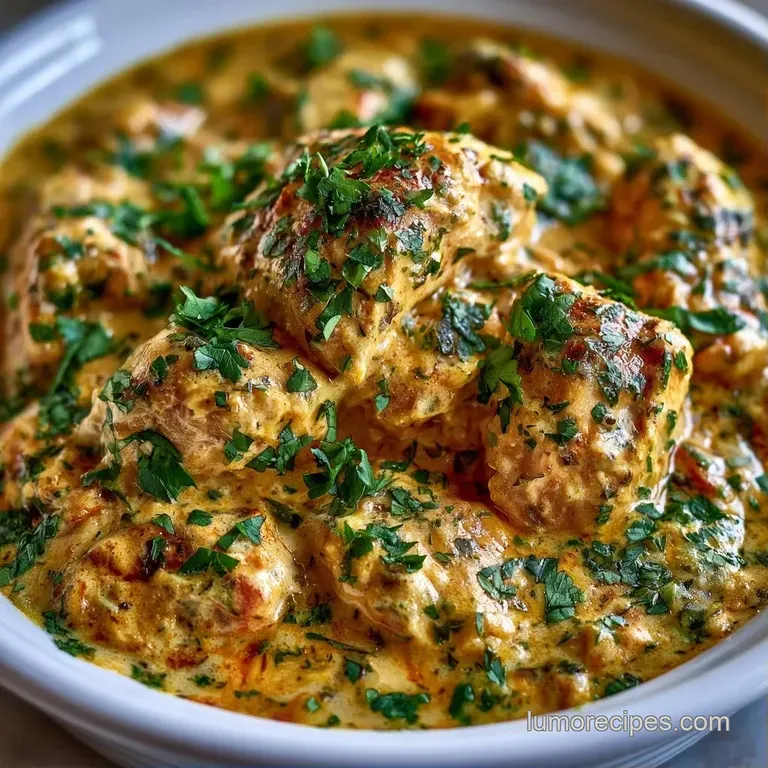
Even with a simple Coconut Milk Chicken Curry, things can go sideways. Usually, it's a matter of heat management or timing.
Troubleshooting Common Issues
| Issue | Solution |
|---|---|
| Why Your Sauce Is Too Thin | If the sauce looks more like a soup than a curry, you probably didn't simmer it long enough. The coconut milk needs a few minutes to reduce and thicken. |
| Why Your Chicken Is Dry | Overcooking chicken breast is easy. If you sear it too long or simmer it past the 10 minute mark, it gets rubbery. Use a meat thermometer to hit 165°F (74°C) and stop immediately. |
| Why Your Curry Lacks Depth | This usually happens when spices are added to the liquid instead of the oil. If the flavor feels flat, a squeeze of extra lime juice often wakes everything up. |
Adjusting the Portion
Scaling this Coconut Milk Chicken Curry is pretty straightforward, but you can't just multiply everything by four and hope for the best.
Cutting it in half: Use a smaller skillet to keep the sauce from evaporating too quickly. Reduce your simmer time by about 20%. If you only need one egg for a binder in other recipes, you'd beat it and use half, but here, just halve the liquids and spices.
Doubling or Tripling: Don't double the salt and spices start with 1.5x and taste as you go. I've found that too much curry powder in a large batch can become overpowering.
Work in batches when searing the chicken; if you crowd the pan, the meat will steam instead of brown, and you'll lose that golden crust.
| Original Size | Scaling Factor | Liquid Adjustment | Spice Adjustment |
|---|---|---|---|
| 4 Servings | 0.5x | Exact half | Exact half |
| 4 Servings | 2x | Reduce total by 10% | Use 1.5x amount |
Debunking Curry Myths
You'll hear a lot of advice about Coconut Milk Chicken Curry that doesn't actually hold up in a real kitchen.
Searing the chicken does not "lock in the juices." That's an old myth. Searing creates a crust that adds flavor. The moisture loss happens regardless, but the trade off for the taste is worth it.
You don't need a specific "curry pot" or a wok to make this. A standard stainless steel or cast iron skillet works best because it allows for a better sear on the meat.
Storage and Scraps
This Coconut Milk Chicken Curry actually tastes better the next day once the flavors have had time to mingle in the fridge.
Refrigeration: Store in an airtight container for up to 4 days. The sauce might thicken in the cold, so add a splash of water or broth when reheating.
Freezing: You can freeze this for up to 3 months. However, coconut milk can sometimes separate during the freezing process. When you thaw it, whisk it vigorously over low heat to bring the creamy texture back.
Zero Waste Tips: Don't toss your onion skins or ginger peels. Put them in a freezer bag and use them to make a quick vegetable stock for your next batch of broth. If you have leftover coconut milk in the can, freeze it in ice cube trays to drop into smoothies or other sauces.
Serving and Plating
To make this dish look as good as it tastes, focus on the contrast. The curry is a pale orange yellow, so you need bright colors on top.
I always serve this over a bed of fluffy basmati or jasmine rice. If you want something different, try cauliflower rice or toasted naan. Add a handful of fresh cilantro and a few thin slices of red chili for a pop of color.
If you're feeling fancy, put a small dollop of Greek yogurt or coconut cream on top. It adds a cooling element that balances the heat of the curry powder. For more ideas on chicken variations, you can check out my Easy Chicken Thigh Curry which uses a slightly different meat profile.
The final touch is always a lime wedge on the side. Letting the guest squeeze their own fresh lime over the Coconut Milk Chicken Curry adds a hit of acidity that makes the whole dish feel fresh and vibrant.
Recipe FAQs
What does adding coconut milk to curry do?
It adds a rich creaminess and balances the heat. The fats in the coconut milk mellow the intensity of the curry powder and turmeric while thickening the sauce.
Can I use chicken thighs instead of breasts?
Yes, thighs are an excellent substitute. They are more flavorful and harder to overcook. If you prefer a faster, high pressure method for poultry, see our pressure cooker chicken.
Is curry good for heart patients?
Generally yes, provided sodium is managed. Ingredients like turmeric and ginger offer anti inflammatory benefits, though heart patients should limit added salt.
Is curry ok for diabetics?
Yes, this recipe is diabetes friendly. It relies on protein and healthy fats with only a small amount of maple syrup for balance.
How to make the curry spicier?
Increase the curry powder quantity. Adding an extra tablespoon during the blooming phase in the oil will intensify the heat and flavor profile.
Is it true that I should add spices after the coconut milk?
No, this is a common misconception. Spices must be bloomed in oil for one minute to release their aromatic oils before any liquids are added to the pan.
How to prevent the chicken from getting dry?
Stop cooking when the meat hits 165°F (74°C). Avoid simmering past the 10-minute mark to ensure the breast meat stays tender and juicy.
Creamy Coconut Milk Chicken Curry