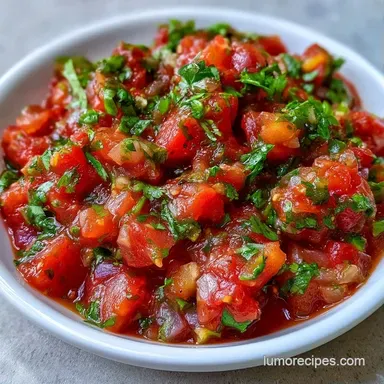
Cilantro Lime Tomato Salsa in 25 Minutes
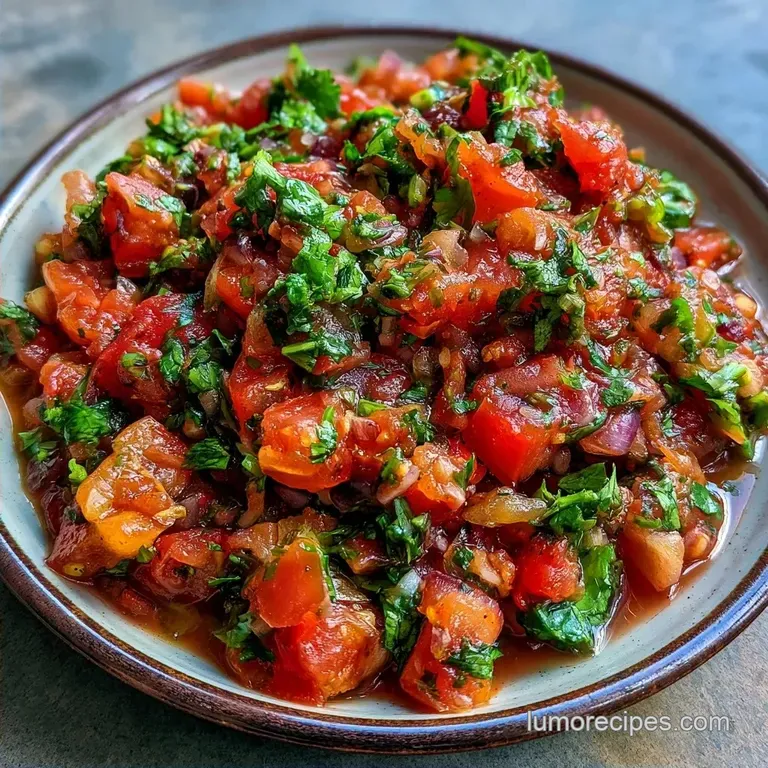
- Time:15 minutes active + 10 minutes resting
- Flavor/Texture Hook: Zesty, crisp, and garden fresh
- Perfect for: Weeknight taco nights or a healthy party appetizer
Have you ever wondered why some salsas taste like they came from a professional kitchen while others just taste like watery vegetables? I used to think it was about the brand of salt or some fancy chopping technique.
I spent a few years just throwing everything in a bowl and hoping for the best, only to end up with a puddle of lime juice at the bottom of the chip bowl.
The reality is that tomatoes are mostly water. When you add salt and acid, that water rushes out. If you don't manage it, you lose the concentrated flavor. This Cilantro Lime Salsa changes that by adding one simple prep step that keeps the texture chunky and the flavors concentrated.
Expect a vibrant, zesty condiment that hits all the right notes. It's a fresh addition to any meal, and because it requires zero cooking, it's a breeze to whip up even on your busiest workdays.
Quick Specs for Cilantro Lime Salsa
Salt and Acid Balance: Salt pulls moisture out of the tomatoes to concentrate the flavor. Lime juice then seals in the brightness and keeps the cilantro from browning too quickly.
| Fresh Method | Shortcut Method | Result | Best For |
|---|---|---|---|
| Hand diced | Food Processor | Chunky/Crisp | Tasting parties |
| Hand diced | Canned Tomatoes | Softer/Sweeter | Quick weeknight meals |
| Drained Roma | Undrained | Thick/Concentrated | Dipping chips |
Chef's Note: If you're in a rush, you can skip the draining, but your salsa will be much thinner. I highly recommend the 5 minute drain for the best texture.
What Goes Into the Bowl
Getting the right produce is half the battle. I always go for Roma tomatoes because they have thicker walls and fewer seeds, which naturally reduces the water content. For a deeper dive into why this matters, check out this guide on Roma Tomato Salsa.
| Ingredient | What It Does | Best Swap |
|---|---|---|
| Roma Tomatoes | Provides the chunky base | Heirloom (juicier, use less) |
| White Onion | Adds a sharp, clean bite | Red onion (sweeter, more color) |
| Fresh Lime | Cuts through the richness | Lemon (less traditional, more tart) |
| Jalapeños | Adds a gradual heat | Serrano (much spicier) |
The Produce List
- 2 lbs Roma tomatoes, seeded and finely dicedWhy this? Less watery than other varieties
- 1 medium white onion, finely dicedWhy this? Sharp contrast to the lime
- 1 cup fresh cilantro, stems removed and choppedWhy this? Essential herbal brightness
- 2 medium jalapeño peppers, seeded and mincedWhy this? Consistent, manageable heat
- 3 tbsp fresh lime juiceWhy this? Fresh is always punchier than bottled
- 1 tsp lime zest, finely gratedWhy this? Concentrates the citrus oils
- 2 cloves garlic, mincedWhy this? Subtle aromatic depth
- 1 tsp sea saltWhy this? Pure salt without additives
- ½ tsp ground cuminWhy this? Earthy undertone
- ¼ tsp cracked black pepperWhy this? Mild spice finish
Tools for the Job
You don't need a fancy kitchen to make this happen. I prefer using a simple glass bowl because plastic can sometimes hold onto smells from previous meals, and we want the lime and cilantro to be the stars here.
A sharp chef's knife is your most important tool. If your knife is dull, you'll crush the tomatoes instead of slicing them, which releases all that excess juice we're trying to avoid. A fine mesh strainer is also a must for the draining phase.
The step by step Process
Right then, let's get into the actual making of the Cilantro Lime Salsa. Keep your ingredients prepped and ready before you start mixing.
- Dice the Roma tomatoes into uniform pieces. Place them in a fine mesh strainer over a bowl for 5 minutes until the excess water stops dripping. Note: This prevents a watery base.
- While the tomatoes drain, finely dice the white onion and mince the jalapeños.
- In a large glass bowl, combine the drained tomatoes, onion, jalapeño, and minced garlic.
- Stir in the chopped cilantro and lime zest.
- Fold in the lime juice, sea salt, ground cumin, and black pepper.
- Stir gently until seasonings are evenly distributed without crushing the tomato chunks.
- Let the salsa sit at room temperature for 10 minutes until the salt has drawn out the natural flavors.
Precision Checkpoints:
- Tomato Drain Time: Exactly 5 minutes.
- Resting Time: 10 minutes minimum.
- Lime Juice: 3 tablespoons (do not eyeball this, or it may become too tart).
How to Stop Watery Salsa
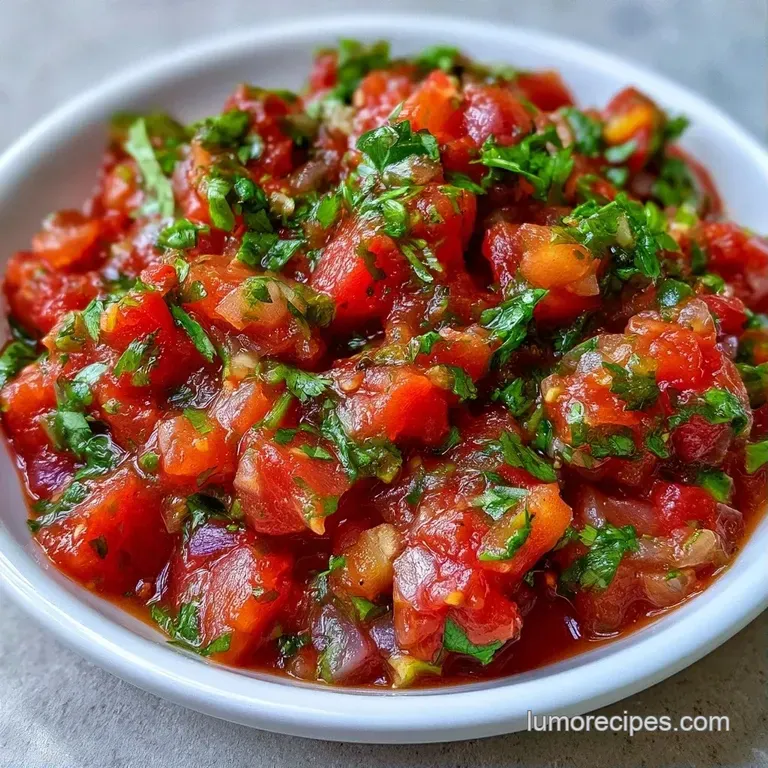
The biggest complaint with homemade salsa is that it turns into a soup after an hour in the fridge. This happens because of osmosis; the salt pulls water from the tomato cells. By draining the tomatoes first, you've already removed the bulk of the excess liquid.
Decision Shortcut:
- If you want it chunkier, use a sharper knife and dice smaller.
- If you want more heat, leave the seeds in the jalapeños.
- If you want it more citrusy, double the lime zest.
Don't believe the myth that you need to cook the tomatoes to thicken the salsa. Simmering them actually breaks down the pectin and can make the texture mushy. Fresh is the way to go here. Another common misconception is that using more salt fixes a bland salsa.
Usually, it's a lack of acidity, so add a squeeze more lime before adding more salt.
Adjusting the Batch Size If you're making this for a crowd, don't just multiply everything by four. For a 4x batch, increase the salt and cumin to 3x only, then taste and adjust. Liquids generally need to be reduced by about 10% when scaling up to prevent the mix from becoming too loose.
Fixing Common Texture Issues
Even with the right steps, sometimes things go sideways. Most of the time, it's a simple fix involving a bit more balance.
The Salsa is Too Watery
This usually happens if the tomatoes weren't seeded or drained properly. You can fix this by gently spooning out the excess liquid from the top of the bowl or adding a few more finely diced, undrained tomatoes to absorb some of the juice.
The Onion Flavor is Overpowering
White onions can be aggressive if they're too large. If the onion is dominating your Cilantro Lime Salsa, stir in an extra tablespoon of lime juice or a pinch more cumin to balance the sharpness.
The Heat is Too Intense
If the jalapeños were particularly spicy, you can mellow the heat by adding a small amount of diced avocado or a teaspoon of honey. The fat or sugar helps neutralize the capsaicin.
| Problem | Root Cause | Solution |
|---|---|---|
| Too runny | Undrained tomatoes | Spoon out liquid or add more solids |
| Bitter taste | Too much lime zest | Add a pinch of sugar or more salt |
| Bland flavor | Not rested long enough | Let sit for another 15 minutes |
Storage and Zero Waste
This Cilantro Lime Salsa stays fresh in the fridge for about 3 to 5 days. Store it in an airtight glass container. I find that plastic containers can let the lime scent permeate other foods in the fridge, so glass is the better bet.
Do not freeze this salsa. The water in the tomatoes will expand and break the cell walls, leaving you with a mushy, separated mess once it thaws. If you have too much, use it as a marinade for grilled shrimp or chicken.
Zero Waste Tips:
- Cilantro Stems: Don't toss them! Finely chop the stems and throw them into a soup or a stir fry for a hit of flavor.
- Onion Skins: Save your clean onion and garlic skins in a freezer bag to make a homemade veggie broth later.
- Lime Scraps: Squeeze the remaining lime wedges into your water or use them to clean your cutting board.
Tweak Your Flavor Profile
Once you've got the basic Cilantro Lime Salsa down, you can start playing with the ingredients. I love adding diced mango or pineapple for a tropical vibe that pairs brilliantly with spicy pork.
If you prefer a smoother consistency for pouring over tacos, you can try a Food Processor Salsa method. Just be careful not to over process, or you'll end up with a puree instead of a salsa.
Substitution Guide
| Original Ingredient | Substitute | Why It Works |
|---|---|---|
| White Onion | Red Onion | Similar crunch, but adds a sweeter, milder flavor |
| Fresh Lime | Apple Cider Vinegar | Similar acidity, though it lacks the citrus aroma |
| Sea Salt | Kosher Salt | Same function; slightly different grain size |
| Cilantro | Flat leaf Parsley | Good for those who find cilantro tastes like soap |
Serving and Plating Ideas
Presentation makes a huge difference, especially if you're serving this at a party. Instead of just a bowl, try serving the Cilantro Lime Salsa in a hollowed out bell pepper or a carved out pineapple half for a vibrant look.
For the best experience, serve the salsa chilled. The cold temperature makes the lime and cilantro pop. Pair it with thick cut corn tortilla chips that can handle the weight of the chunky tomatoes without breaking.
If you're using it as a topping for fish tacos, add a dollop of Greek yogurt or sour cream on top to create a rich contrast to the zesty salsa.
Recipe FAQs
How to make this Cilantro Lime Salsa?
Dice Roma tomatoes and drain them in a strainer for 5 minutes. Mix them with diced onion, minced jalapeño, garlic, cilantro, and lime zest, then fold in lime juice and seasonings. Let the mixture rest for 10 minutes before serving.
How to make salsa in a food processor?
Pulse the vegetables and seasonings in short bursts. Avoid over processing to prevent the mixture from becoming a puree. If you prefer a smoother consistency, try an easy blender salsa instead.
How long will homemade salsa remain fresh in the fridge?
Store it for 3 to 5 days. Use an airtight glass container to prevent the strong lime scent from permeating other foods in your refrigerator.
Is it true that homemade salsa can be frozen?
No, this is a common misconception. Freezing causes the water in the tomatoes to expand and break the cell walls, leaving you with a mushy, separated mess after thawing.
What are the key ingredients for this homemade salsa?
Roma tomatoes, white onion, cilantro, and jalapeños. These are balanced with lime juice, lime zest, garlic, sea salt, cumin, and black pepper.
How to prepare salsa with tomato sauce instead of fresh tomatoes?
Stick to fresh Roma tomatoes for this specific recipe. Tomato sauce is too processed and lacks the structure and bright acidity required for a chunky cilantro lime salsa.
What is the secret to preventing the salsa from becoming too watery?
Drain the diced tomatoes in a fine mesh strainer for 5 minutes. This removes excess moisture, ensuring the seasonings cling to the vegetables rather than pooling at the bottom of the bowl.
Cilantro Lime Salsa