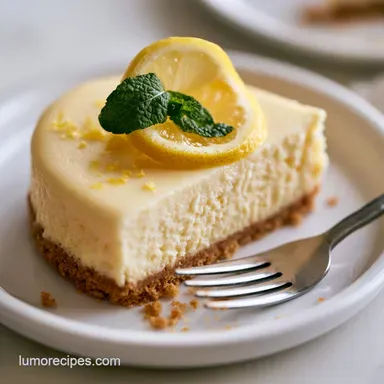
Lemon Cheesecake: Rich and Velvety
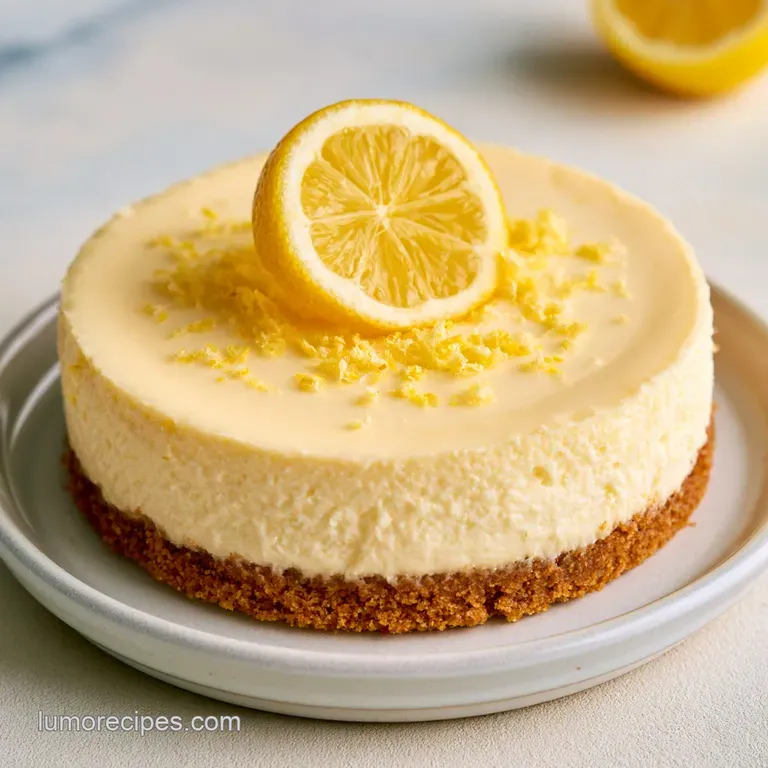
- Time:30 minutes active + 1 hour 45 mins baking + 6 hours chilling = Total 8 hours 15 mins
- Flavor/Texture Hook: Velvety filling with a buttery, shatter crisp crust
- Perfect for: Sunday family dinners, spring brunches, or a treat for someone who loves tart desserts
The smell of fresh lemon zest hitting granulated sugar is one of my favorite things in the world. It is that sharp, bright aroma that immediately makes the kitchen feel clean and sunny, even if it is raining outside.
I remember the first time I tried making a cheesecake from scratch for my mother's birthday, and I was terrified of it cracking. I spent the whole afternoon hovering over the oven, practically holding my breath every time I opened the door.
The magic of this particular treat isn't just in the flavor, but in the way the textures contrast. You have that buttery, crumbly base that practically shatters when your fork hits it, followed by a filling that feels like silk on the tongue.
It is a labor of love, and while it takes a bit of patience with the chilling time, the result is something a processed store-bought cake can never touch.
I have spent a lot of time tweaking this lemon cheesecake recipe to make sure it is foolproof. I wanted something that felt traditional and homemade, but didn't require the stress of a water bath or fancy equipment.
Whether you are a seasoned baker or this is your first time tackling a cream based dessert, this version is designed to be forgiving while still tasting like it came from a high end bakery.
The Best Lemon Cheesecake Recipe Tips
Getting a cheesecake right is all about managing temperature and air. If you beat the batter too much, you incorporate air bubbles that expand in the oven and then collapse, leaving you with a sunken center or a cracked top. The goal is a dense, velvety consistency that holds its shape but melts away as you eat it.
Another key is the lemon. I always tell my friends to use fresh lemons, never the bottled stuff. The bottled juice has a metallic aftertaste and lacks the aromatic oils found in the zest.
When you rub the zest into the sugar, you are essentially extracting those essential oils, which distributes the lemon flavor evenly throughout the entire cake rather than just having "pockets" of sourness.
For those who want a different texture, you might be tempted to try a no bake lemon cheesecake recipe, but the baked version has a depth of flavor and a structural integrity that is simply unmatched. The baking process mellows the tang of the sour cream and creates a cohesive, rich dessert.
- The Zest Rub
- Rubbing lemon zest into sugar breaks the citrus cells, releasing aromatic oils for a more intense flavor.
- Room Temp Rule
- Softened cream cheese and eggs prevent lumps, ensuring the filling doesn't break during mixing.
- Slow Cool
- Letting the cake cool in the oven prevents the sudden temperature drop that causes surface cracks.
- Low Speed Mixing
- Adding eggs on low speed prevents too much air from entering the batter, which stops the cake from over expanding.
| Method | Prep Time | Texture | Best For |
|---|---|---|---|
| Baked | 30 minutes | Dense & Velvety | Traditional gatherings |
| No Bake | 15 minutes | Light & Moussy | Quick summer treats |
| Water Bath | 45 minutes | Ultra Smooth | Professional presentation |
Ingredient Deep Dive
Understanding what each part of the lemon cheesecake recipe does helps you avoid mistakes. For example, if you use cold cream cheese, you'll spend twenty minutes trying to beat out lumps, which ironically leads to over mixing the eggs later.
| Ingredient | Science Role | Pro Secret |
|---|---|---|
| Cream Cheese | Structural Base | Use full fat blocks, not the spreadable tub version |
| Sour Cream | Tang & Moisture | Brings the pH down to balance the sugar |
| Lemon Zest | Aroma Profile | Rub into sugar first to activate the oils |
| Graham Crumbs | Texture Contrast | Bake the crust separately to prevent sogginess |
Zesty Ingredients and Swaps
I believe in using high-quality, scratch ingredients. However, I know that sometimes the pantry is bare. When substituting, remember that fat content is your best friend here. According to King Arthur Baking, the fat in the cream cheese is what carries the lemon flavor across your palate.
The Main List:
- 1.5 cups (180g) Graham cracker crumbsWhy this? Provides a classic, honey sweet base
- 1/3 cup (65g) Granulated sugar
- 6 tbsp (85g) Unsalted butter, melted
- 32 oz (900g) Full fat cream cheese, softened to room temperatureWhy this? Ensures a velvety, smooth texture
- 1 cup (200g) Granulated sugar
- 1/4 cup (60ml) Freshly squeezed lemon juice
- 2 tbsp (12g) Lemon zest
- 3 large eggs, room temperatureWhy this? Binds the filling without adding air
- 1 cup (240g) Full fat sour cream, room temperature
- 1 tsp (5g) Vanilla extract
Substitution Options:
| Original Ingredient | Substitute | Why It Works |
|---|---|---|
| Graham Crackers | Oreo Crumbs | Adds a chocolatey contrast. Note: Omit the extra sugar in the crust |
| Sour Cream | Full fat Greek Yogurt | Similar acidity and thickness. Note: Slightly more tart finish |
| Granulated Sugar | Caster Sugar | Dissolves faster. Note: No change to final texture |
| Unsalted Butter | Melted Coconut Oil | Similar fat profile. Note: Adds a subtle tropical scent |
Right then, before we get into the mixing, make sure your cream cheese has been sitting out for at least two hours. If you're in a rush, you can microwave it in 10 second bursts, but be careful not to melt it.
Essential Baking Tools
You don't need a professional kitchen to nail this lemon cheesecake recipe, but a few specific tools make the process foolproof.
- 9 inch Springform Pan: This is non negotiable. You cannot flip a cheesecake; you must remove the sides.
- Hand Mixer or Stand Mixer: A KitchenAid is great, but a handheld mixer works just as well for this volume.
- Fine Zester: A Microplane is the best for getting just the yellow skin without the bitter white pith.
- Offset Spatula: Helpful for smoothing the top of the filling.
Step-by-step Baking Guide
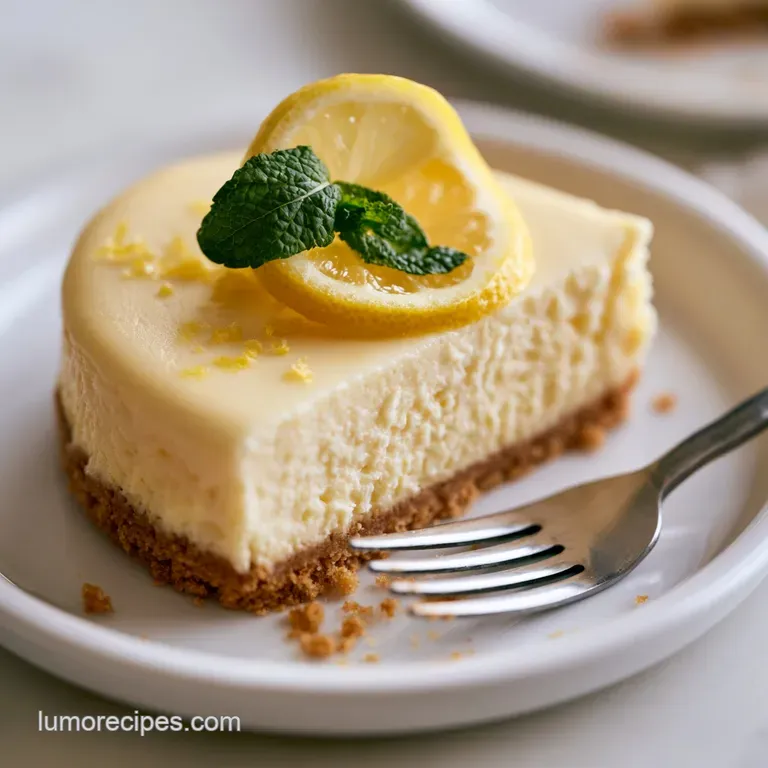
Let's crack on with the actual baking. Follow these steps closely, and pay attention to the visual cues.
Building the Foundation
- Preheat your oven to 325°F (160°C).
- Combine the graham cracker crumbs, 1/3 cup sugar, and melted butter in a bowl.
- Press the mixture firmly into the bottom of the springform pan, ensuring it reaches up the sides slightly.
- Bake for 10 minutes until the crust smells toasted and golden, then remove and let cool. Note: Pre baking prevents the crust from becoming soggy once the filling is added.
Creating the Zesty Batter
- In a large bowl, combine the 1 cup of sugar and lemon zest. Rub them together with your fingertips until the sugar looks damp and smells strongly of lemon.
- Beat the softened cream cheese until smooth and creamy.
- Gradually add the lemon sugar mixture, beating on medium speed until fully incorporated.
- Stir in the sour cream and vanilla extract until the mixture is a uniform, pale yellow.
Incorporating the Eggs
- Reduce mixer speed to low.
- Add eggs one at a time, mixing only until the yellow disappears. Note: Over mixing here is the primary cause of cracks!
The Precision Bake
- Pour the filling over the pre baked crust.
- Bake for 60 to 75 minutes until the edges are set and the center has a slight jiggle.
The Controlled Cool Down
- Turn off the oven and crack the door open slightly.
- Allow the cake to cool in the oven for about an hour.
- Move it to a wire rack and then chill in the refrigerator for a minimum of 6 hours before serving.
Chef's Note: If you want a deeper flavor, try adding a pinch of salt to the crust. It cuts through the richness of the cream cheese and makes the lemon pop.
Fixing Common Baking Glitches
Even the best of us have a cheesecake disaster now and then. The most common issue is the "crack," which usually happens because the cake was overbaked or cooled too quickly.
Troubleshooting Common Issues
| Issue | Solution |
|---|---|
| Why Your Cheesecake Cracked | If the top splits, it's usually due to too much air in the batter or a sudden temperature shift. Don't panic; a little lemon curd or fresh berries can hide any crack perfectly. |
| Why Is the Texture Too Soft | This usually happens if the cake isn't chilled long enough. The fats in the cream cheese need time to solidify. If it feels like pudding, give it another 4 hours in the fridge. |
| Why Is the Crust Soggy | Soggy bottoms happen when the crust isn't pre baked or if the filling is too liquid. Make sure you press the crumbs firmly into the pan. |
Common Mistakes Checklist:
- ✓ Did you rub the zest into the sugar first?
- ✓ Is the cream cheese truly room temperature?
- ✓ Did you stop mixing as soon as the eggs disappeared?
- ✓ Did you let it chill for at least 6 hours?
- ✓ Did you avoid opening the oven door every 10 minutes?
Creative Flavor Variations
Once you have this lemon cheesecake recipe down, you can start playing with different accents. I love experimenting with the toppings to change the mood of the dessert.
For those who love a bit more decadence, try a lemon cheesecake with lemon curd. Simply pour a layer of homemade lemon curd over the chilled cake before serving. It adds a glossy, bright yellow finish and a punch of acidity. If you want something a bit more rustic, try a lemon cheesecake with Oreo crust.
The dark chocolate base makes the lemon filling taste almost like a lemon meringue pie.
If you're looking for other bright desserts to serve alongside this, my Classic No Bake Pink Fluff is a great, lighter option for a party platter. For something completely different, a savory appetizer like Classic Deviled Eggs balances the sweetness of the cheesecake perfectly during a brunch.
Decision Shortcut:
- If you want more tang → Increase lemon zest to 3 tbsp.
- If you want a denser cake → Bake for an extra 5 minutes.
- If you want a softer, creamier vibe → Use 1.25 cups of sour cream.
Storage and Waste Tips
Cheesecake actually tastes better the next day as the flavors meld and the texture sets.
Storage Guidelines: - Fridge: Keep it in an airtight container or covered with foil for up to 5 days. - Freezer: You can freeze this for up to 3 months. Wrap the cake tightly in plastic wrap and then foil. Thaw it slowly in the fridge overnight before serving.
Zero Waste Ideas: Don't throw away those lemon rinds! You can simmer the leftover peels with a bit of water and sugar to make a simple citrus syrup for cocktails. Alternatively, dried lemon peels can be added to your tea or used as a natural cleaner for your cutting boards.
Serving and Garnish Ideas
Since this is a pale yellow cake, the visual presentation is all about color balance. I like to use a "Rule of Three" for garnishes to make it look professionally made without too much effort.
- 1. Bright Yellow
- Add a few thin lemon slices around the edge of the cake. Add these right before serving.
- 2. Vibrant Green
- A few sprigs of fresh mint or a dusting of lime zest. Add these just as the cake hits the table.
- 3. Deep Red/Blue
- Fresh raspberries or blueberries piled in the center. These add a beautiful contrast to the yellow filling.
When you're ready to slice, dip your knife in hot water and wipe it clean between every single cut. This ensures those clean, sharp edges that make the lemon cheesecake recipe look so elegant. Trust me, the extra effort with the knife makes a huge difference in how the cake looks on the plate.
Right then, let's get baking!
Recipe FAQs
How to make a simple Lemon Cheesecake?
Preheat your oven to 325°F and press a graham cracker crust into a springform pan. Bake the crust for 10 minutes, beat cream cheese with lemon infused sugar, sour cream, and eggs, then bake for 60 to 75 minutes. Chill for at least 6 hours before serving.
What's the best cheese for Lemon Cheesecake?
Full fat cream cheese softened to room temperature. This ensures the batter is smooth and prevents lumps from forming during the mixing process.
What gives Lemon Cheesecake its tangy flavor?
Freshly squeezed lemon juice and lemon zest. Rubbing the zest into the sugar before mixing releases aromatic oils that intensify the citrus profile.
Is heavy cream or sour cream better for cheesecake?
Sour cream is better. It introduces a slight acidity that cuts through the richness and creates a creamier, more professional texture.
Can I substitute cream cheese with Greek yogurt for a lighter version?
No, it will not set. If you enjoy the tang of baked Greek yogurt, you can make that for breakfast, but this cheesecake requires full fat cream cheese for structural stability.
Why is my lemon cheesecake texture too soft?
It likely hasn't chilled long enough. The fats in the cream cheese require a minimum of 6 hours in the refrigerator to fully solidify and reach the correct consistency.
Is it true that the cheesecake is ready to eat immediately after baking?
No, this is a common misconception. Serving it warm results in a pudding like texture; the cake must be refrigerated to set properly.
Classic Lemon Cheesecake Recipe