Easy Vegetarian Mason Jar Salads
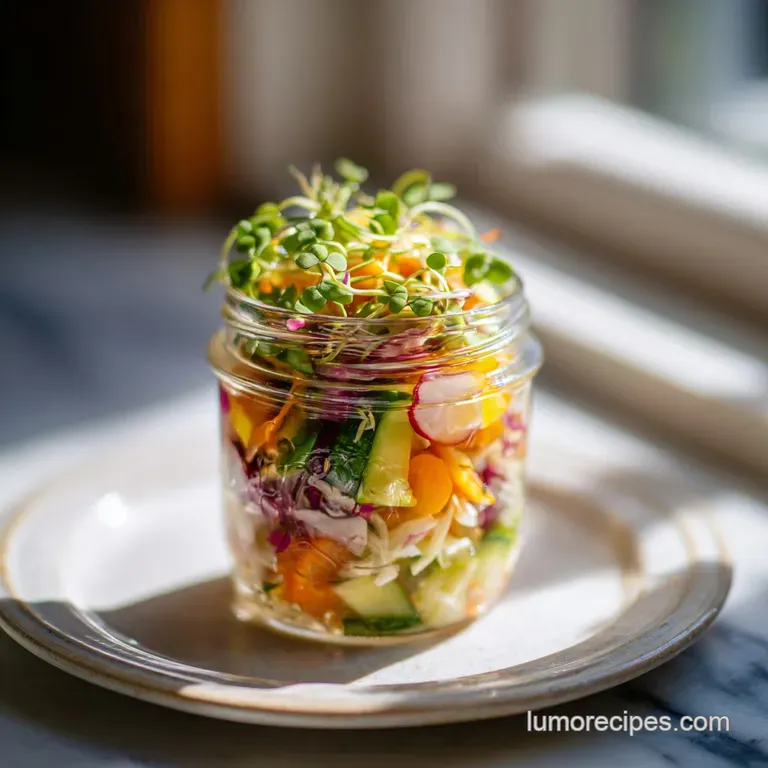
- Time:20 minutes prep + 15 minutes cook = 35 minutes total
- Flavor/Texture Hook: Zesty, crunchy, and satisfyingly salty
- Perfect for: Stress free office lunches or grab-and-go meal prep
- My Easy Vegetarian Mason Jar Salads
- The Secret Layering Strategy
- Essential Specs and Timing
- The Perfect Ingredient List
- Minimal Tools for Success
- Step-by-Step Assembly Guide
- Troubleshooting Your Jar Salads
- Customize Your Vegetarian Jar
- Storage and Freshness Tips
- Smart Lunch Pairing Ideas
- Very High in Sodium
- Recipe FAQs
- 📝 Recipe Card
My Easy Vegetarian Mason Jar Salads
There is a specific "pop" sound when you crack open a vacuum sealed jar on a Tuesday afternoon that just feels like a small victory. You’re sitting at your desk, the fluorescent lights are humming, and everyone else is headed for a sad, overpriced sandwich. But you?
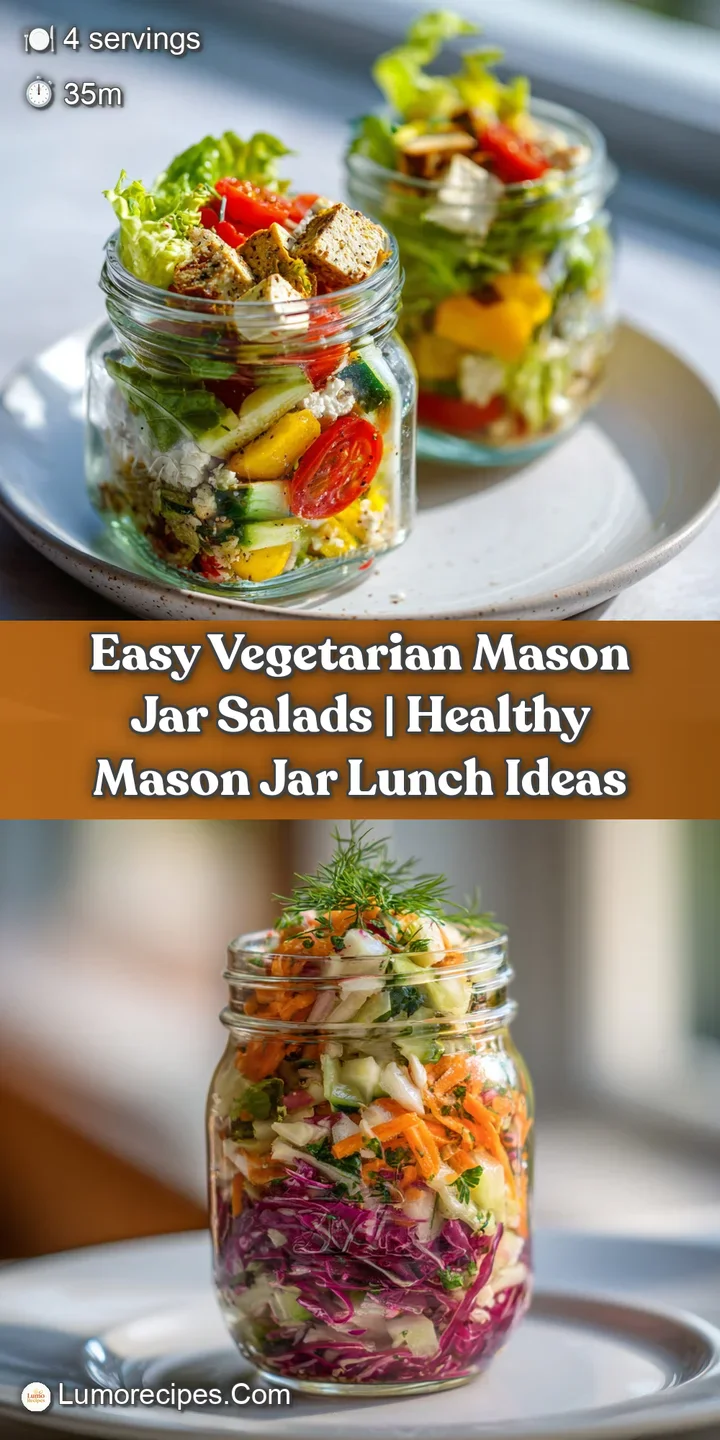
You’ve got this vibrant, colorful tower of Mediterranean goodness. The aroma of dried oregano and sharp red wine vinegar hits you first, followed by the sight of crisp English cucumbers and those bright cherry tomatoes. It’s a sensory reset in the middle of a chaotic workday.
I remember the first time I tried making these. I did it all wrong. I threw the spinach in first, then poured the dressing over the top like a regular bowl. By lunchtime the next day, it was a swampy, wilted mess that looked more like compost than a meal. I almost gave up on the whole "salad in a jar" trend right then.
But after a bit of trial and error (and many soggy leaves), I figured out the architecture. It’s all about the layers. When you get the order right, the ingredients actually protect each other.
This recipe is my absolute go to because it relies on simple pantry staples that transform into something bright and punchy. We aren't just making a salad; we’re building a portable freshness kit. The quinoa provides a nutty, satisfying base, while the feta adds that creamy, salty hit we all crave.
It’s a balanced, vibrant lunch that keeps you full without that heavy, mid afternoon "food coma" feeling. Trust me, once you master the stack, you’ll never go back to plastic Tupperware again.
The Secret Layering Strategy
Hydrophobic Shielding: Placing the fat heavy vinaigrette at the bottom and immediately topping it with non absorbent chickpeas creates a physical barrier that keeps moisture away from the delicate greens.
Osmotic Regulation: Layering denser vegetables like cucumbers and tomatoes in the middle allows them to "weep" slightly into the dressing without affecting the texture of the quinoa or spinach above.
Vapor Lock: Packing the spinach tightly at the very top creates an air pocket that minimizes oxidation, which is why the leaves stay vibrant and crisp for nearly a week.
| Ingredient | Science Role | Pro Secret |
|---|---|---|
| Extra Virgin Olive Oil | Emulsion Base | high-quality oil stays liquid at fridge temps longer than cheap blends |
| Cooked Quinoa | Moisture Absorber | Must be bone dry and cold before layering to prevent steam induced wilting |
| Canned Chickpeas | Structural Buffer | Their thick skin prevents them from becoming mushy while marinating in the acid |
| Red Wine Vinegar | Preservative | The acidity helps keep the cut vegetables bright and prevents rapid spoilage |
The way these ingredients interact is actually quite brilliant. Think of the chickpeas as the heavy duty foundation of a building. They can sit in that acidic dressing for four days and only get better, soaking up the garlic and oregano notes like a sponge.
Meanwhile, the spinach is hanging out at the penthouse, completely dry and untouched by the oil. When you finally flip the jar into a bowl, the dressing cascades down over everything, self saucing the salad in seconds.
But what about the grains? That’s where the cooled quinoa comes in. If you put warm quinoa in a jar, it creates condensation. That steam is the enemy of a crisp salad. By letting it cool completely to room temperature (or better yet, chilling it overnight), you ensure it stays fluffy and distinct rather than clumping into a ball.
It’s these tiny mechanical details that make the difference between a lunch you look forward to and one you tolerate.
Essential Specs and Timing
| Thickness/Type | Preparation | Visual Cue |
|---|---|---|
| Quinoa (Grain) | Simmer 15 minutes | Tail like germs appear and water is gone |
| Chickpeas (Legume) | Drain and Rinse | Water runs clear and foam is removed |
| Cucumber (Veggie) | 1 cm Dice | Uniform cubes for even dressing coating |
Before you start chopping, let's talk about the quinoa. While most people boil it like pasta, the best way for a jar salad is the "absorption method." Use exactly a 1:2 ratio of grain to water. It takes 15 minutes to simmer, but the real secret is the rest.
You have to let it sit, covered, for at least 5 minutes after the heat is off. This allows the steam to finish the job, giving you individual grains that don't stick together. If you're in a rush, you can even do this on the stovetop while you prep the veggies, but don't skip the cooling phase.
For those who are curious about different cooking methods, there's always a debate about how to prep the grains. While stovetop is the standard, some prefer the oven for larger batches.
| Method | Time | Texture | Best For |
|---|---|---|---|
| Stovetop | 15 mins | Fluffy & Light | Traditional meal prep |
| Oven (Baked) | 25 mins | Toasty & Firm | Large batches for 8+ jars |
The Perfect Ingredient List
- 120 ml extra virgin olive oil: Use a cold pressed oil if you can. Why this? It provides the rich, velvety mouthfeel that carries the herb flavors.
- 60 ml red wine vinegar: This adds the necessary tang. Why this? It offers a sharper, cleaner bite than balsamic for Greek style salads.
- 10 g dried oregano: Don't be shy with this. Why this? Dried herbs actually hydrate and bloom in the oil over several days.
- 1 clove garlic, minced: Fresh is non negotiable here.
- 5 g sea salt: Enhances the natural sweetness of the tomatoes.
- 2 g black pepper: Provides a subtle, earthy heat.
- 400 g canned chickpeas: Drained and rinsed thoroughly. Why this? They provide the protein and the structural buffer for the layers.
- 1 large English cucumber: Diced into small, uniform pieces.
- 250 g cherry tomatoes: Halved to release just a little juice into the dressing.
- 185 g cooked quinoa: Ensure it is completely cooled to room temperature.
- 100 g feta cheese: Crumbled into bite sized chunks.
- 150 g baby spinach: Fresh, dry, and packed tightly.
- 30 g sliced Kalamata olives: These add a salty, briny depth.
- 20 g red onion: Thinly sliced to prevent them from overpowering the jar.
If you find yourself missing an ingredient, don't panic. The beauty of these easy vegetarian mason jar salads is their flexibility. You can swap the grain, the protein, or even the greens as long as you maintain the "wet to dry" hierarchy.
| Original Ingredient | Substitute | Why It Works |
|---|---|---|
| Quinoa | Farro | Same heartiness but adds a chewier, nuttier texture |
| Feta Cheese | Goat Cheese | Similar tanginess. Note: It will be creamier and may coat the grains more |
| Baby Spinach | Shredded Kale | Kale is even hardier and won't wilt even if it touches the dressing |
If you need a non vegetarian option for a partner who isn't into the meatless vibe, these Healthy Chicken Salad Wraps are a total winner to prep alongside your jars. They use similar fresh ingredients but offer a different eating experience.
Minimal Tools for Success
You don't need a kitchen full of gadgets for this. The main requirement is four 32 oz (approx. 950 ml) wide mouth mason jars. The wide mouth is critical. Have you ever tried to dig a salad out of a narrow neck jar? It’s a nightmare.
You want to be able to pour it out smoothly or even eat directly from the jar if you’re in a pinch (though I always recommend a bowl for the best experience).
Beyond the jars, a good sharp chef’s knife and a sturdy cutting board are your best friends. Since there's a lot of dicing involved with the cucumbers and tomatoes, a dull knife will just squash your produce and make the jars watery.
A small whisk or even just a separate small jar for shaking up the dressing will ensure the vinaigrette is perfectly emulsified before it hits the bottom of your lunch jars.
step-by-step Assembly Guide
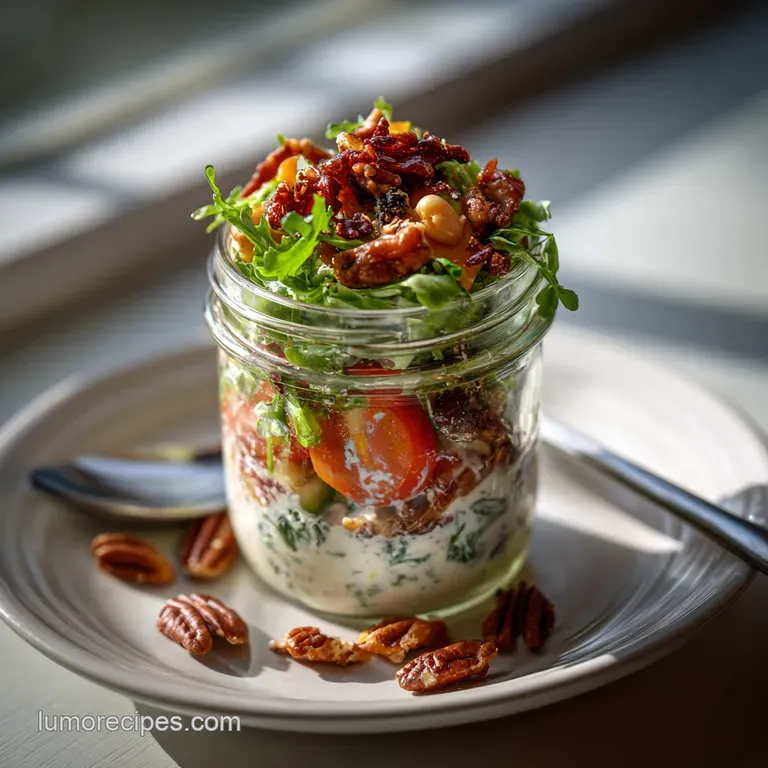
- Cook the 185 g quinoa using 370 ml water (1:2 ratio). Simmer 15 minutes until the water is absorbed and grains are fluffy. Note: This must cool completely before it goes into the jar.
- Whisk the 120 ml olive oil, 60 ml red wine vinegar, 10 g oregano, minced garlic, 5 g sea salt, and 2 g pepper in a small bowl.
- Pour exactly one quarter of the dressing into the bottom of each 32 oz mason jar.
- Add 100 g of the drained chickpeas to each jar as the second layer. Note: Push them down so they are mostly submerged in the vinaigrette.
- Drop the diced English cucumber and halved cherry tomatoes over the chickpeas.
- Layer the 185 g of cooled quinoa evenly across the four jars, pressing down gently with a spoon.
- Sprinkle 25 g of crumbled feta cheese over the quinoa layer in each jar.
- Pack the 150 g of baby spinach into the remaining space, stuffing it down if necessary.
- Top with the sliced Kalamata olives and the thinly sliced red onion.
- Seal the lids tightly and place the jars upright in the refrigerator until you are ready to serve.
For those days when you need even more protein to get through a long afternoon, adding a scoop of Quick No Mayo Tuna Salad to the top of your jar right before eating works wonders. It adds a whole different flavor profile and extra satiety.
Troubleshooting Your Jar Salads
The most common heartbreak with jar salads is the "soggy bottom" turning into a "soggy middle." This usually happens when the moisture from the cucumbers or tomatoes leaks down and then travels up through the grains.
If you're finding your quinoa is getting mushy, you might need to be more aggressive with your "hard" layers. Make sure the chickpeas are creating a solid floor.
Another issue is the "onion breath" factor. Red onions are delicious, but after sitting in a sealed jar for three days, they can become incredibly pungent. If you find the onion flavor is taking over the whole salad, try soaking the sliced onions in cold water for 10 minutes before drying them and adding them to the jar.
This washes away some of the sulfurous compounds that cause that lingering aftertaste.
Why Your Spinach Wilts
If your greens are turning into slime, it’s almost always because of moisture. Even a few drops of water from washing the spinach can ruin a jar. Use a salad spinner and then pat the leaves with a paper towel. They need to be bone dry.
| Problem | Root Cause | Solution |
|---|---|---|
| Bitter Dressing | Garlic sat too long | Mince garlic just before mixing or use garlic powder for longer storage |
| Mushy Quinoa | Warm layering | Ensure quinoa is cold from the fridge before assembly to stop residual steaming |
| Cloudy Oil | Fridge temperature | This is natural. Let the jar sit at room temp for 5 mins before shaking |
Common Mistakes Checklist
- ✓ Never put the greens at the bottom; they will turn into a swamp within hours.
- ✓ Pat all vegetables completely dry after washing to prevent excess water buildup.
- ✓ Don't skimp on the dressing; it needs to be enough to coat everything once shaken.
- ✓ Keep the jars upright at all times during transport to avoid mixing the layers.
- ✓ Use wide mouth jars only; narrow necks make assembly and extraction a mess.
Customize Your Vegetarian Jar
If you're making these for a family or a small group, scaling is simple. Since the recipe makes 4 jars, you can easily double it to 8 jars if you have a larger fridge. Just keep in mind that the spinach takes up a lot of physical volume. You might need to buy those large "family size" tubs of greens.
When scaling down for just one or two days, I recommend still making the full amount of dressing. It keeps perfectly in a small jar in the fridge for up to two weeks, and having it ready to go makes the next round of prep even faster.
For the quinoa, you can't really cook less than 90g (half a cup) effectively, so just save any leftover grains for a breakfast bowl or a side dish.
Chef's Tip: If you want to add an extra crunch that lasts, add a tablespoon of toasted sunflower seeds or pepitas to the very top layer, right under the lid. They stay far away from the moisture and add a great nutty finish.
If you’re a fan of different textures, you can also experiment with the "If you want X, do Y" approach: If you want a creamier texture, add half an avocado to the top on the day you eat it (not before, or it will brown!). If you want more crunch, swap the spinach for chopped romaine or shredded cabbage.
If you want more sweetness, add a handful of dried cranberries or golden raisins to the quinoa layer.
Storage and Freshness Tips
These jars will stay perfectly fresh for 4 days in the fridge. By day 5, the cucumbers might start to lose a bit of their snap, but they are still perfectly safe to eat. The key is maintaining a consistent temperature.
Store them in the main part of the fridge, not the door, where the temperature fluctuates every time you open it.
As for zero waste, don't throw away those herb stems! If you use fresh oregano instead of dried, the woody stems can be tossed into a freezer bag for making vegetable stock later. The same goes for the ends of your cucumbers and the onion skins.
Also, if you find you have a little bit of feta brine left in the container, don't toss it. You can use a splash of it in your next batch of hummus or even use it to marinate some tofu.
Freezing Note: Do not freeze these jars. The cell walls of the cucumbers, tomatoes, and spinach will collapse upon thawing, resulting in a watery, unappealing mess. This is strictly a fresh prep recipe.
Reheating Note: These are designed to be eaten cold or at room temperature. If you prefer warm grains, you can tip the jar into a microwave safe bowl, but you'll have to pick out the spinach and feta first, which is more trouble than it's worth. Better to just enjoy the crisp, cool contrast!
Smart Lunch Pairing Ideas
While these jars are a complete meal on their own, sometimes you want a little something extra. A side of toasted pita bread or some crunchy pita chips is the classic choice. The saltiness of the chips complements the feta beautifully, and they provide a great vessel for scooping up the last bits of chickpeas and dressing at the bottom of the bowl.
If it's a cold day and you want a "soup and salad" combo, a light, brothy vegetable soup is a great partner. It warms you up without being too heavy. Just avoid cream based soups, as the vinaigrette in the salad is already quite rich and the two might clash.
Avoiding the Vinegar Bite
If you find red wine vinegar too harsh, you can mellow out the dressing by adding a teaspoon of honey or maple syrup. This balances the acidity and helps the dressing cling to the ingredients better.
The Myth of Searing Chickpeas
You might see recipes suggesting you roast or sear the chickpeas before putting them in the jar for "extra crunch." Don't do it for mason jar salads. Once they hit the dressing and sit for 24 hours, they will lose that crunch and become unpleasantly chewy.
For this specific method, canned or boiled chickpeas are actually superior because they are designed to be soft and creamy.
Managing the Garlic Punch
Raw garlic gets stronger the longer it sits in oil and acid. If you're sensitive to that "garlic bite," you can use a clove of roasted garlic instead, or simply smash the clove and let it sit in the dressing for an hour before removing it.
This gives you the flavor without the lingering intensity that might distract you during an afternoon meeting.
By following these layering rules and keeping your ingredients dry, you'll transform your lunch hour from a chore into something you actually look forward to. There’s something deeply satisfying about looking into your fridge on a Monday night and seeing a row of colorful, healthy meals standing ready.
It’s the ultimate gift to your "future self." Right then, let's get those jars filled!
Frequently Asked Questions
Can I use a different type of jar if I don't have mason jars?
Yes, any glass jar with a tight sealing lid will work, but wide mouth jars are significantly easier to fill and empty. Avoid plastic containers if possible, as they don't provide the same vertical stability and can sometimes absorb odors from the onions or garlic.
How do I eat the salad without making a mess?
The best way is to shake the jar vigorously for about 10 seconds to distribute the dressing, then pour the entire contents into a large bowl. This ensures the dressing, which was at the bottom, coats everything perfectly as it falls out.
Is it okay to use frozen spinach?
No, frozen spinach is blanched and has a completely different texture. It will be mushy and watery in a jar salad. Always use fresh baby spinach or other fresh greens for this recipe.
What happens if my dressing solidifies in the fridge?
Extra virgin olive oil often turns cloudy or solidifies when cold. Simply take your jar out of the fridge about 15-20 minutes before you plan to eat. The warmth of the room will quickly return the dressing to its liquid state.
Can I add avocado to the jar?
It's not recommended to add avocado during the prep phase, as it will likely turn brown and mushy within a day. Instead, bring a whole avocado with you and slice it into the salad right before you eat it.
Very High in Sodium
965 mg of sodium per serving (42% of daily value)
The American Heart Association recommends limiting sodium intake to no more than 2,300mg per day, with an ideal limit of less than 1,500mg for most adults.
Tips to Reduce Sodium
-
Reduce Sea Salt-25%
Significantly reduce the added sea salt. Try starting with half the amount (2.5g) or even less, tasting as you go, to cut down on a major sodium source.
-
Rinse Canned Chickpeas Thoroughly-20%
While you are already rinsing, be sure to rinse them very well under cold water. This can remove a considerable amount of the added sodium from the canning liquid.
-
Use Reduced Sodium Feta-15%
Opt for reduced sodium feta cheese if available. Even a moderate reduction in feta can make a difference in the overall sodium content.
-
Boost Flavor with Herbs and Spices
While not directly reducing sodium, enhance the flavor profile by using a generous amount of fresh or dried herbs like oregano and increasing the black pepper. Consider adding other sodium free spices like garlic powder (in addition to fresh garlic) or a pinch of red pepper flakes.
-
Limit Kalamata Olives-10%
Kalamata olives are often packed in brine. Rinse the sliced olives and consider using slightly fewer (e.g., 15g) to minimize their sodium contribution.
Recipe FAQs
Is it true that I can store these salads for up to a week?
No, this is a common misconception. These jars stay perfectly fresh for 4 days in the refrigerator, but by day 5, the cucumbers begin to lose their crisp texture.
How to keep the quinoa from becoming mushy in the jar?
Cook the quinoa using a 1:2 ratio of grain to water until absorbed, then let it cool completely to room temperature. Placing warm grains in the jar creates steam that will soften your vegetables and ruin the texture.
Is it necessary to put the chickpeas at the very bottom?
Yes, the chickpeas act as a vital moisture barrier. Placing them directly in the vinaigrette protects the more delicate ingredients above from soaking up too much dressing too quickly.
How to prevent the red onions from becoming too pungent?
Slice the red onions very thinly and pack them at the very top of the jar. Keeping them away from the dressing and submerged in the spinach layer prevents the flavor from overpowering the rest of the salad during storage.
Is it true that the fridge door is the best place to keep these jars?
No, this is a common misconception. Always store your jars in the main body of the refrigerator where the temperature remains consistent, as the door fluctuates too much and shortens shelf life.
How to assemble the layers for maximum freshness?
Start with the Greek Vinaigrette, then layer the chickpeas, cucumbers, cherry tomatoes, quinoa, feta, and finally the greens and onions. This specific order keeps the hardy ingredients marinating in the dressing while keeping the spinach dry at the top.
Is it okay to use frozen chickpeas for this recipe?
No, stick with canned chickpeas. Canned chickpeas are pre-cooked and provide the necessary texture to act as a solid, reliable floor for your salad layers.
Easy Vegetarian Mason Jar Salads
Ingredients:
Instructions:
Nutrition Facts:
| Calories | 582 kcal |
|---|---|
| Protein | 14.6 g |
| Fat | 36.8 g |
| Carbs | 42.1 g |
| Fiber | 9.4 g |
| Sugar | 4.8 g |
| Sodium | 965 mg |
