Easy One Pan Lemon Garlic Chicken
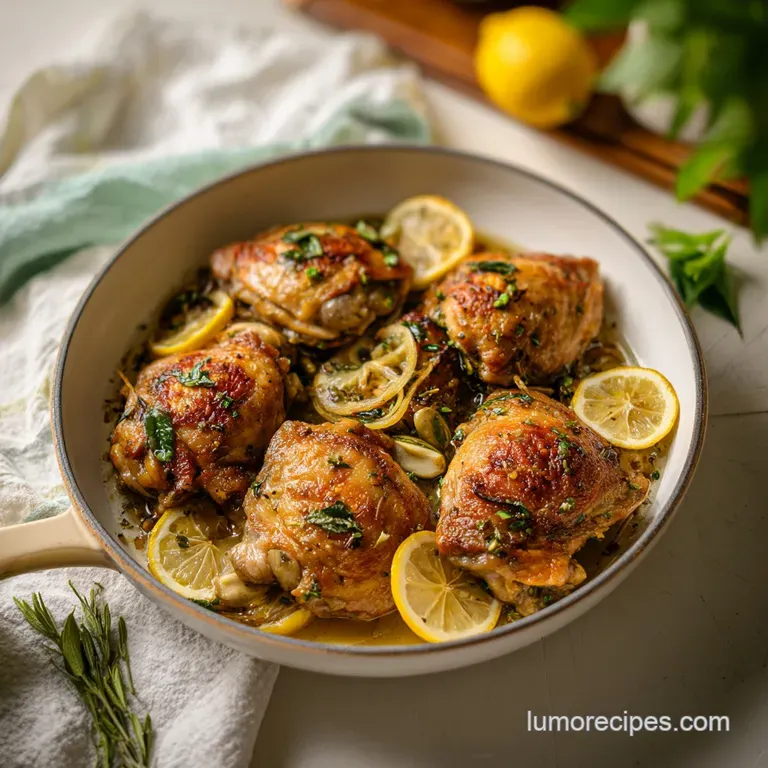
- Time:10 minutes prep + 20 minutes cook = 30 minutes total
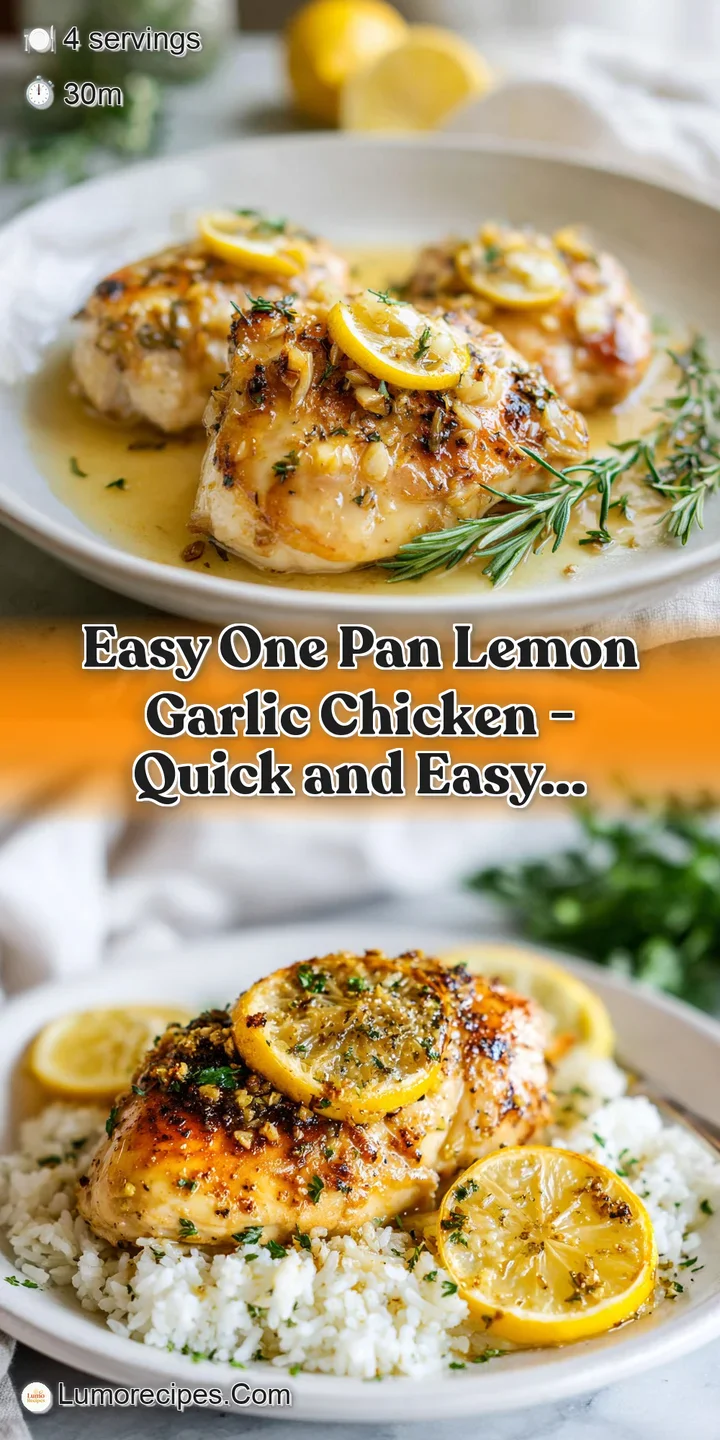
- Flavor/Texture Hook: Zesty, buttery, and velvety with a golden brown crust
- Perfect for: Busy weeknight dinners and stress free meal prep
- Making Easy One Pan Lemon Garlic Chicken
- Why This Skillet Method Works
- Ingredient Science and Component Analysis
- Essential Components and Smart Swaps
- Necessary Tools for Perfect Results
- The Step-by-Step Cooking Guide
- Solving Common Chicken Searing Problems
- Flavor Swaps and Easy Variations
- Freezing and Reheating Your Leftovers
- Best Side Dishes for Chicken
- Kitchen Myths and Realities
- Recipe FAQs
- 📝 Recipe Card
Making Easy One Pan Lemon Garlic Chicken
The smell of garlic hitting warm butter is basically the universal signal that something incredible is happening in the kitchen. In Mediterranean households, from the hills of Greece to the coast of Italy, this combination of lemon, garlic, and olive oil isn't just a recipe it's the backbone of daily life.
It's the "secret" that isn't really a secret, yet it transforms humble poultry into something that makes everyone at the table reach for a piece of bread to swipe up every last drop of sauce.
I remember the first time I realized that "fancy" restaurant chicken was actually just a well executed pan sear. I used to think you needed a million steps, but it’s actually about the sizzle and the deglazing.
When that lemon juice hits the hot pan, it releases all those tiny browned bits of flavor stuck to the bottom, turning a plain skillet into a source of pure gold.
You're going to love how the heavy cream plays with the lemon here. Usually, citrus can be a bit sharp, but the cream rounds it off into a silky, luxurious coating that clings to the meat.
It’s accessible, fast, and honestly, it’s the kind of meal that makes you feel like a pro even when you’ve had a long day and just want to eat something real.
Why This Skillet Method Works
Understanding how these few ingredients interact helps you nail the dish every single time without overthinking it. It’s all about heat management and the way we build layers of flavor in one single pan.
- Surface Dryness: Patting the chicken dry is the most important step for the Maillard reaction. Moisture on the surface creates steam, which prevents that beautiful golden brown crust from forming.
- Starch Barrier: A light dusting of flour acts as a protective shield. It helps the chicken stay moist inside while providing a rough surface for the sauce to grab onto later.
- Fond Development: The brown bits left in the pan after searing (the "fond") are concentrated flavor. The lemon juice and broth act as solvents to lift these bits and integrate them into the sauce.
- Acid Fat Balance: The heavy cream and butter provide a fatty mouthfeel that balances the sharp acidity of the lemon. This prevents the sauce from tasting overly sour or "thin."
| Meat Thickness | Internal Temp | Rest Time | Visual Cue |
|---|---|---|---|
| 0.5 inch | 165°F | 3 minutes | No pink, clear juices |
| 0.75 inch | 165°F | 5 minutes | Firm to the touch |
| 1.0 inch | 165°F | 5 minutes | Opaque throughout |
When you’re looking at these thickness levels, keep in mind that chicken thighs are much more forgiving than breasts. They have more connective tissue, which means they stay juicy even if you go a minute or two over.
If you're using a thicker piece, don't be afraid to let it sit for those full 5 minutes of resting; it’s the difference between a dry dinner and a succulent one.
Ingredient Science and Component Analysis
Every item in this list has a specific job to do, from the fat that carries the flavor to the spices that provide the aromatic backbone. Here is why we use these exact components.
| Ingredient | Science Role | Pro Secret |
|---|---|---|
| Chicken Thighs | Protein & Fat | Higher fat content prevents drying out during the over high heat sear. |
| Lemon Juice | Acid Catalyst | Breaks down tough fibers and brightens the heavy cream. |
| Heavy Cream | Emulsifier | Stabilizes the sauce and creates a velvety, coating texture. |
| Smoked Paprika | Flavor Depth | Adds a subtle earthiness that mimics a charcoal grill. |
The choice of chicken broth here is also quite deliberate. By using a low sodium version, you maintain total control over the seasoning. If you used a full sodium broth, the reduction process (where we boil the liquid down to half) would make the sauce way too salty.
We want the lemon and garlic to be the stars, not the salt shaker.
If you’re out of chicken and want to try this technique with something else, you can easily pivot. If you're in the mood for seafood instead, my Rosemary Butter Salmon uses a similar pan searing technique that relies on high heat and a quick finish.
Essential Components and Smart Swaps
I always recommend sticking to the official ingredients for the best result, but I know how it goes sometimes the grocery store is a letdown. Here is the list of everything you need and how to swap if you're in a pinch.
- 1.5 lbs chicken thighs (boneless, skinless): These are the gold standard for juiciness. Why this? They don't dry out as fast as breasts during over high heat searing.
- Substitute: Chicken breasts (slice them horizontally into "cutlets" so they cook faster).
- 1 tsp kosher salt: Essential for drawing out moisture and seasoning.
- Substitute: Sea salt (use slightly less as it can be finer).
- 0.5 tsp cracked black pepper: For a bit of floral heat.
- Substitute: White pepper for a more subtle, earthy bite.
- 1 tsp smoked paprika: This gives the chicken that gorgeous reddish gold color. Why this? It adds a "cooked over fire" flavor without a grill.
- Substitute: Sweet paprika or a pinch of chipotle powder.
- 2 tbsp all purpose flour: This is our thickener and crust builder.
- Substitute: Cornstarch (for a gluten-free version, use only 1 tbsp).
- 6 cloves garlic, minced: This is a garlic forward dish, so don't be shy!
- Substitute: 1.5 tsp garlic powder (add to the spice rub instead of the oil).
- 0.5 cup chicken broth (low sodium): The base of our sauce.
- Substitute: Dry white wine (like Pinot Grigio) for a more sophisticated tang.
- 1 large lemon, juiced: Provides the necessary acidity to cut through the fat.
- Substitute: 2 tbsp bottled lemon juice (though fresh is vastly superior here).
- 2 tbsp unsalted butter: Adds shine and a nutty richness to the finish.
- Substitute: Ghee or a high-quality vegan butter.
- 1 tbsp extra virgin olive oil: For searing at a higher smoke point than butter.
- Substitute: Avocado oil or grapeseed oil.
- 1 tbsp fresh parsley, chopped: For a burst of green freshness at the end.
- Substitute: Fresh chives or cilantro.
- 1 tsp dried oregano: The classic Mediterranean herb. Why this? Dried oregano actually holds its flavor better during cooking than fresh.
- Substitute: Dried thyme or Italian seasoning blend.
- 0.25 cup heavy cream: The secret to a velvety, restaurant style sauce.
- Substitute: Full fat coconut milk (adds a slight nutty sweetness).
| Fresh Ingredient | Shortcut Version | Why Fresh Wins |
|---|---|---|
| Hand minced Garlic | Jarred Garlic | Jarred garlic loses its spicy bite and can taste metallic. |
| Fresh Lemon Juice | Bottled Juice | Bottled juice lacks the aromatic oils found in the fresh zest and pulp. |
| Fresh Parsley | Dried Parsley | Dried parsley tastes like grass; fresh provides a bright, peppery finish. |
Using fresh garlic really is the hill I will die on. When you mince it yourself, the oils are released right as they hit the pan, creating a much more vibrant aroma. If you're really short on time, use a garlic press it's still better than the pre minced stuff in the jar!
Necessary Tools for Perfect Results
You don't need a professional kitchen, but having the right pan makes a huge difference. Since we are doing everything in one pan, you want something that retains heat well.
A 12 inch stainless steel or cast iron skillet is the way to go. Non stick pans are great for eggs, but they don't produce a good "fond" (those brown bits on the bottom), which means your sauce will be less flavorful.
You'll also need a solid pair of tongs to flip the chicken without tearing the skin or the flour coating.
Beyond the pan, a good whisk is helpful for emulsifying the butter and cream into the sauce. If you don't have one, a fork works in a pinch, but a whisk ensures the sauce doesn't separate. Also, keep some paper towels handy you really want that chicken dry before it hits the oil.
The step-by-step Cooking Guide
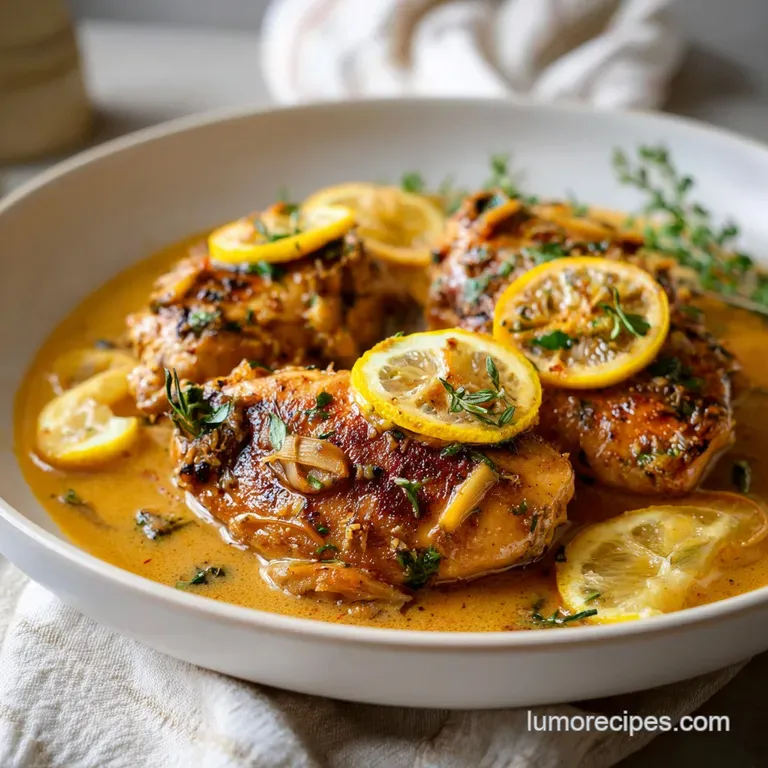
- Pat the chicken 1.5 lbs completely dry with paper towels. Note: This ensures the flour sticks and the meat sears rather than steams.
- Season both sides with 1 tsp salt, 0.5 tsp pepper, and 1 tsp smoked paprika, then lightly dust with 2 tbsp flour. Shake off the excess so it's just a fine veil.
- Heat 1 tbsp olive oil in a 12 inch skillet over medium high heat. Cook until the oil is shimmering and a tiny pinch of flour sizzles instantly when dropped in.
- Add the chicken to the pan and sear for 5–7 minutes per side. Bake until golden brown and firm, then move the chicken to a side plate and cover it loosely with foil.
- Lower the heat to medium. Add 6 cloves minced garlic to the fat left in the pan and cook for 30 seconds until the scent fills the kitchen. Don't let it turn dark brown!
- Pour in 0.5 cup chicken broth and the juice from 1 lemon. Scrape the bottom of the pan with a wooden spoon to release all those tasty brown bits.
- Simmer the liquid for 3–4 minutes until it has reduced by half and looks slightly syrupy.
- Whisk in 2 tbsp butter and 0.25 cup heavy cream. Stir constantly until the sauce is velvety and combined.
- Return the chicken to the pan, garnish with 1 tbsp parsley and 1 tsp dried oregano.
- Baste the chicken with the sauce for 1 minute to warm it through before serving.
Solving Common Chicken Searing Problems
Cooking chicken in a pan seems simple, but there are a few places where things can go sideways. Usually, it's a matter of heat control or timing.
Why Your Chicken Is Rubbery
If your chicken feels like a bouncy ball, it’s usually because it was cooked too slowly over low heat, or it was moved too much. When you put the chicken in the pan, leave it alone! It needs that sustained contact with the hot metal to develop a crust.
If the pan isn't hot enough, the juices leak out and the meat "stews" in its own moisture, leading to a tough, rubbery texture.
Why the Sauce Broke
A "broken" sauce looks curdled or oily instead of smooth. This usually happens if the heat is too high when you add the cream and butter. High heat can cause the proteins in the dairy to separate from the fats.
To fix this, always lower the heat before adding your dairy, and whisk vigorously to encourage emulsification.
| Problem | Root Cause | Solution |
|---|---|---|
| Flour coating peeling off | Chicken was too wet | Pat meat bone dry before flouring. |
| Garlic tastes bitter | Garlic was burned | Cook garlic for only 30 seconds; add liquid immediately. |
| Sauce is too thin | Not enough reduction | Simmer broth for an extra 2 minutes before adding cream. |
Since this is such a quick dinner, you might even have time to whip up some 3 ingredient peanut butter cookies for a little treat afterward. They take almost no effort and use ingredients you probably already have out.
Common Mistakes Checklist:
- ✓ Didn't preheat the pan (results in sticking and pale meat).
- ✓ Overcrowded the skillet (causes the chicken to steam instead of sear).
- ✓ Used bottled lemon juice (lacks the bright, fresh "pop" of flavor).
- ✓ Added garlic too early (garlic burns much faster than chicken cooks).
- ✓ Skipped the flour dusting (the sauce won't cling as well to the meat).
Flavor Swaps and Easy Variations
The beauty of a one pan meal is how easily you can tweak it to fit your mood. While the lemon garlic oregano combo is a total classic, you can head in a few different directions with just one or two changes.
If you want a Mediterranean Twist, add a handful of halved cherry tomatoes and some kalamata olives when you add the chicken broth. The tomatoes will burst and add a lovely sweetness to the sauce. Finish with some crumbled feta cheese right before serving for a salty, creamy kick.
For those on a Low Carb / Keto Swap, simply omit the all purpose flour. The sauce will be a bit thinner, but the heavy cream and the reduction process will still give it plenty of body.
You can also add a handful of fresh spinach at the very end it will wilt into the sauce in about 30 seconds and add a boost of nutrients.
- If you want it spicy
- Add 0.5 tsp red pepper flakes when sautéing the garlic.
- If you want it extra creamy
- Increase heavy cream to 0.5 cup and reduce broth slightly.
- If you want it earthy
- Swap the oregano for fresh sage and brown the butter slightly.
Freezing and Reheating Your Leftovers
This chicken keeps surprisingly well, but you have to be careful with the sauce when reheating. Cream based sauces can be a little temperamental if you hit them with high heat.
Storage: Keep the chicken and sauce in an airtight container in the fridge for up to 3 days. I actually think the flavors meld and get even better by day two.
Freezing: You can freeze this for up to 2 months, but be warned: the cream sauce might look a bit grainy when it thaws. To fix this, just add a splash of fresh cream or broth when you reheat it and give it a good stir.
Reheating: The best way to reheat is on the stovetop over low heat. Add a tablespoon of water or broth to the pan to loosen the sauce. If you must use a microwave, use 50% power and stir every 45 seconds so you don't "explode" the chicken and make it rubbery.
Zero Waste Tip: Don't throw away that lemon carcass! After you've juiced it, you can toss the halves into a jar of white vinegar to make a citrus scented kitchen cleaner, or put them down the garbage disposal to freshen it up.
If you have extra parsley stems, freeze them in a bag to use for homemade chicken stock later.
Best Side Dishes for Chicken
Because this sauce is so good, you really want a side dish that acts like a sponge. Anything that can soak up that lemon garlic butter goodness is a winner.
The Perfect Starch
Mashed potatoes are a no brainer, but I also love serving this over a bed of orzo or pearl couscous. The tiny grains of pasta get coated in the velvety sauce, and it feels very cohesive. If you're looking for something lighter, a crusty piece of sourdough bread is mandatory for mopping up the pan.
The Fresh Balance
Since the sauce is quite rich and buttery, a crisp green salad with a simple vinaigrette provides a nice contrast. Roasted asparagus or steamed green beans also work beautifully. I usually just toss some asparagus right into the pan during the last 5 minutes of cooking it steams in the lemon broth and saves me from washing another dish!
Kitchen Myths and Realities
There are a lot of "rules" in cooking that people follow blindly, but let's clear up a few that apply to this specific dish.
One big myth is that searing meat seals in the juices. This isn't actually true moisture is lost during searing because of the high heat. However, we sear the meat because it creates flavor through the Maillard reaction. That crust is where the "yum" factor lives.
The real way to keep the juices in is to let the meat rest after cooking.
Another one is that you must use expensive wine or broth. For a pan sauce like this, a basic low sodium broth is perfectly fine. The lemon and garlic are doing the heavy lifting here. As long as your broth isn't overly salty, it will provide a great base for the reduction.
Finally, some people think garlic should go in at the start. If you do that in a over high heat sear, your garlic will be black and bitter before the chicken is even halfway done.
Always add your aromatics like garlic at the end of the searing process or right before the liquid to keep them sweet and fragrant.
Recipe FAQs
Is it true I need a deep fry thermometer to know when the chicken is done?
No, this is a common misconception. You can confirm the chicken is fully cooked by ensuring it is firm to the touch and reaches a deep golden brown sear after 5 7 minutes of cooking per side.
How to ensure the chicken develops a crisp, golden brown crust?
Pat the chicken completely dry with paper towels before seasoning. Dusting the thighs lightly with flour and ensuring your olive oil is shimmering in the 12 inch skillet before adding the meat will guarantee the perfect sear.
Can I use chicken breasts instead of chicken thighs?
Yes, but adjust your cooking time carefully. Chicken breasts cook faster and can dry out quickly, so monitor the skillet closely during the 5 7 minute searing process to keep the meat juicy.
How to get the most flavor out of the garlic and pan juices?
Scrape the bottom of the pan thoroughly with a spatula after adding the broth and lemon juice. This process releases the flavorful browned bits, known as fond, which form the base of your silky sauce.
Is it necessary to use heavy cream in the sauce?
Yes, it is essential for the texture. The heavy cream, when whisked with the butter, emulsifies the lemon and broth into a velvety, luxurious glaze that clings to the chicken.
How to prevent the garlic from burning in the skillet?
Lower the heat to medium immediately after removing the chicken from the pan. Cooking the garlic for only 30 seconds in the residual fat ensures it becomes fragrant without turning bitter or burnt.
How to properly thicken the sauce for the best consistency?
Simmer the broth and lemon juice for 3 4 minutes until reduced by half. Once reduced, stirring in the butter and heavy cream will naturally thicken the liquid into a rich, restaurant quality sauce.
Easy One Pan Lemon Garlic Chicken
Ingredients:
Instructions:
Nutrition Facts:
| Calories | 438 kcal |
|---|---|
| Protein | 35.4 g |
| Fat | 29.2 g |
| Carbs | 6.8 g |
| Fiber | 0.6 g |
| Sugar | 1.2 g |
| Sodium | 645 mg |
